Planning an African safari can feel overwhelming – where do you start? Which country? Luxury lodge, tented camp, or mobile safari? Big Five, wildebeest migration, or gorillas? With so many options, it helps to break the choices down step by step.
After 16+ years exploring Africa and running small-group tours, here’s my guide to picking the right safari destination in Africa – whether it’s your first trip or your fifth.
Please Note: Some of the links in this post are affiliate links, which will earn me a small commission at no extra cost to you. Affiliate sales help with the running costs of this site, so thank you for your support!
Key Considerations for Choosing a Safari Destination
Before choosing a country, it helps to get clear on what kind of safari experience you actually want. African safaris aren’t one-size-fits-all – and that’s a good thing.
Here are the main things to think about:
Experience Level & Traveller Type
First-time safari-goers: Might prefer well-established parks with high wildlife density and strong infrastructure, like Serengeti National Park or Kruger National Park. Easy to see the Big Five, enjoy comfortable lodges, and guided game drives.
Experienced safari-goers: Often seek remote parks like Central Kalahari Game Reserve or Samburu National Reserve, fewer crowds, wilder wildlife, or specialist experiences such as walking safaris.
Safari style:
Fully guided (most common and easiest) – booked via a safari company or lodge.
Self-drive – best if confident navigating on your own; popular in Namibia & South Africa.
Travel format:
Private adventure: For yourself and your companions, offering flexibility and privacy. Perfect for couples or friends traveling together.
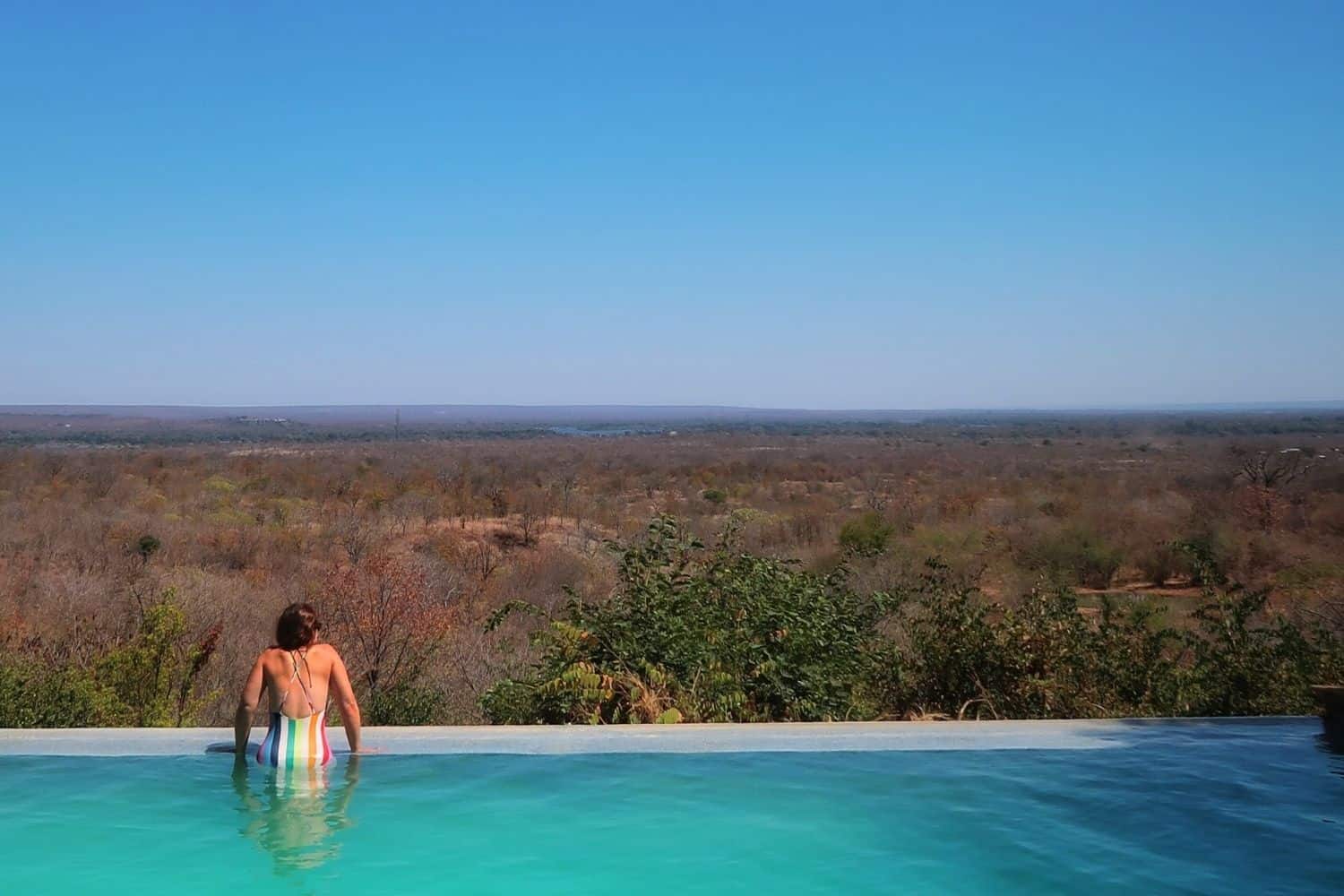
Families with kids: Consider lodges with pools, kids’ clubs, or shorter game drives – safaris for days on end can be tiring for children.
Solo travellers: Join-a-group safaris or multi-day group trips (like Rock MyAdventure) are a great way to meet others and still enjoy expert-guided wildlife experiences.
Elderly or less mobile travellers: Look for safari options with shorter drives, lodge-based itineraries, and easy accessibility, so you can enjoy wildlife without the long bumpy rides.
Animals & Wildlife Interests
Not all safaris offer the same wildlife experiences. Decide what matters most:
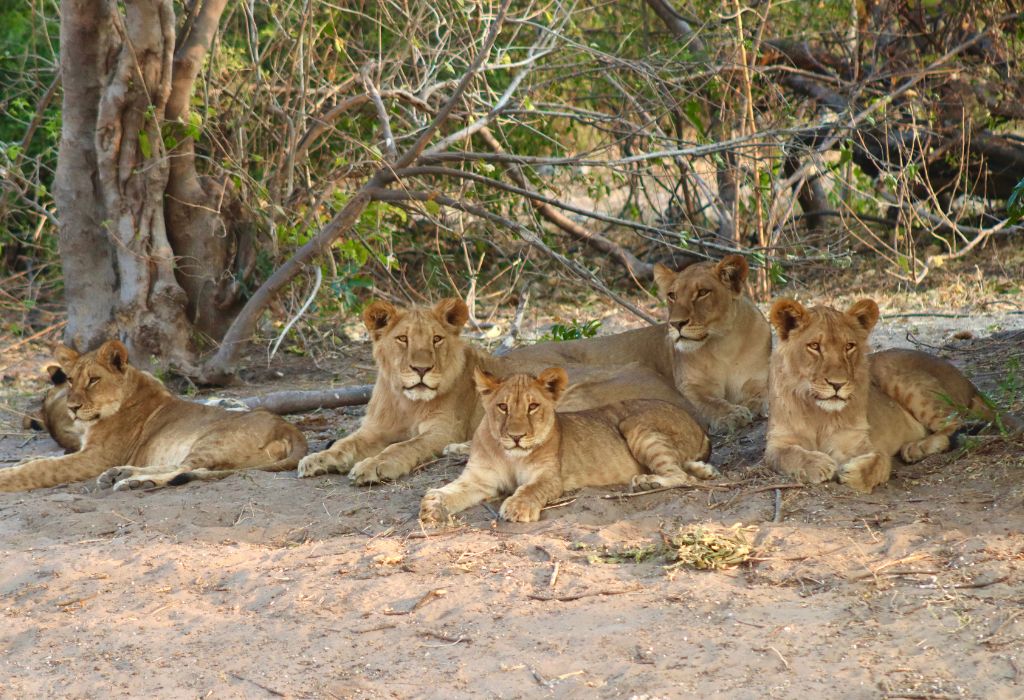
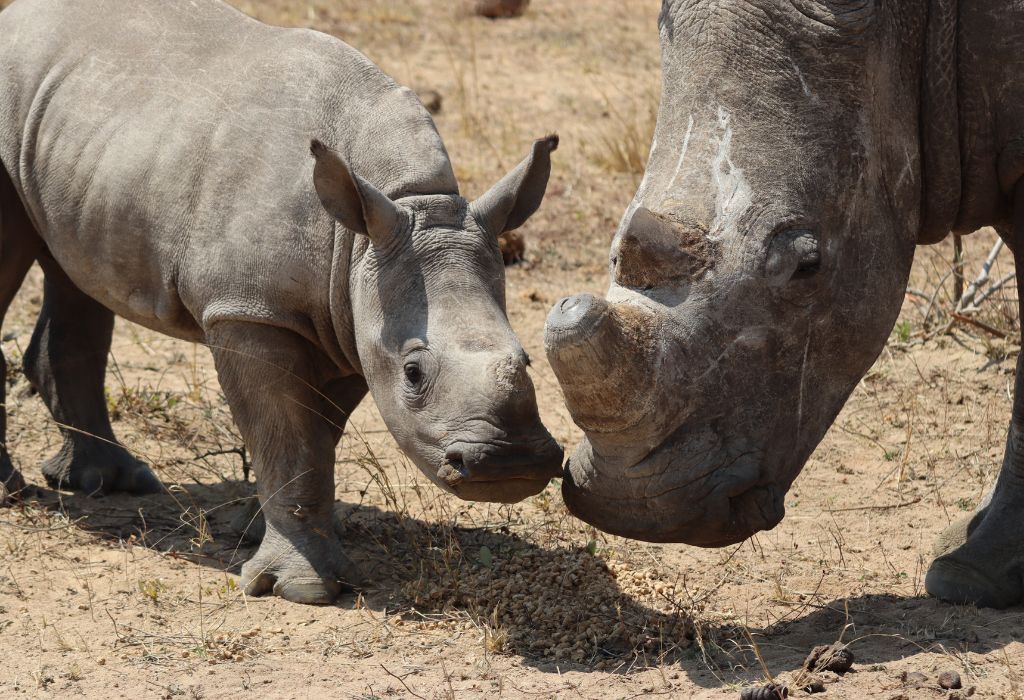
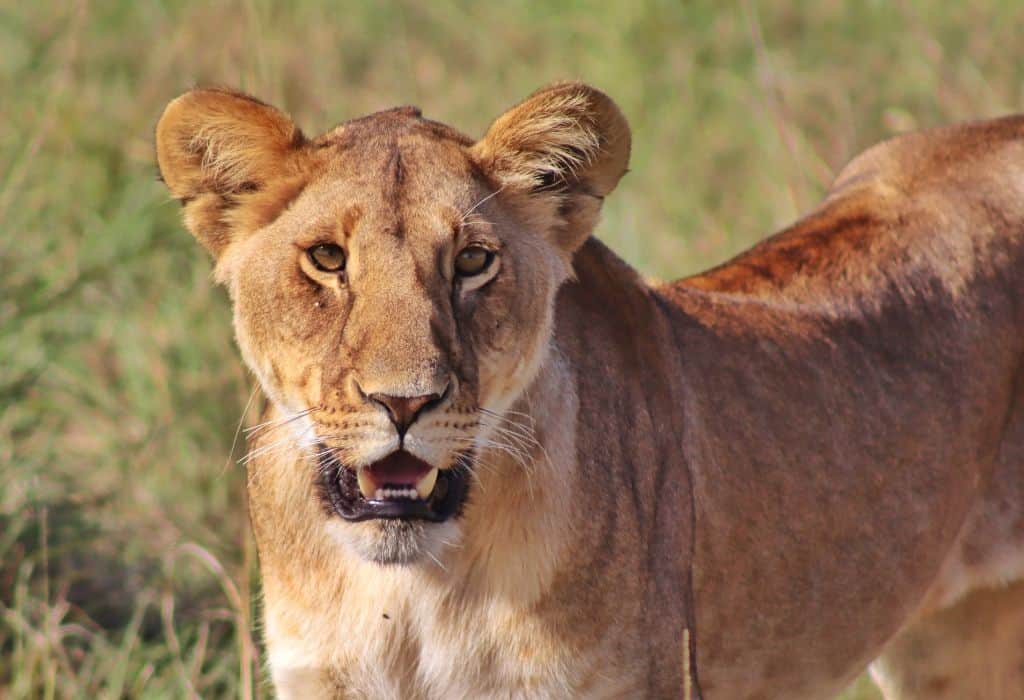
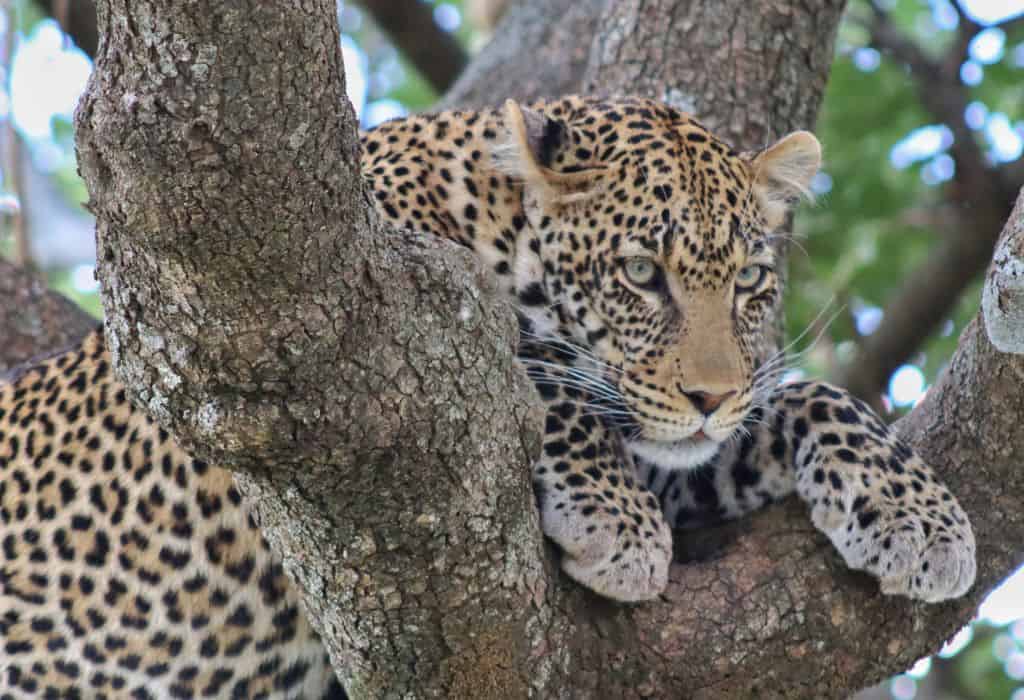
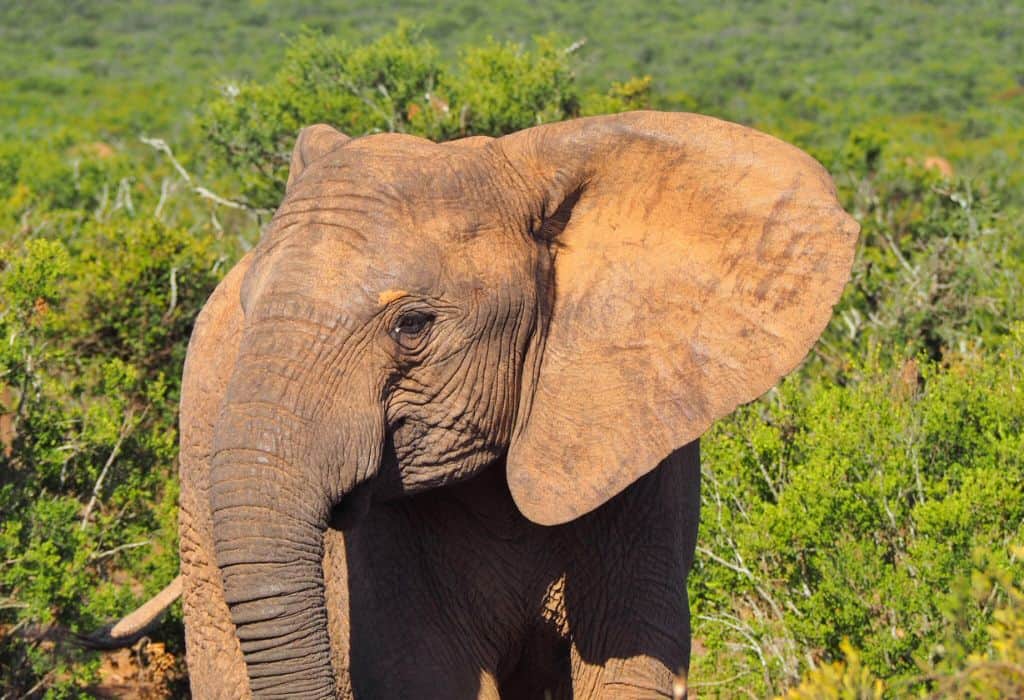
Big Five: lion, elephant, buffalo, leopard, rhino The Great Migration: wildebeest and zebra river crossings Primates: gorillas and chimpanzees Rare species: African wild dogs, striped hyena Birdlife: wetlands, soda lakes, flamingos, and raptors Nocturnal animals: night safaris or parks with floodlit waterholes
Knowing your priorities will help narrow the country, parks, and even the time of year.
Time of Year & Climate
The seasons vary from country to country though, so always check against your available dates and for any other activities/places you want to include.
Dry season: Best for wildlife viewing – animals gather around waterholes.
Wet season: Lush landscapes, fewer tourists, often lower prices, but animals can be harder to spot.
Migration highlights: Dramatic river crossings in Serengeti and Maasai Mara usually occur June – October, but herds move year-round.
Other seasonal experiences: Water levels (Devil’s Pool, Victoria Falls, Okavango Delta), whale or whale shark migrations, zebra migrations, calving season, temperatures from freezing mornings to scorching afternoons, humidity, festivals.
Safari Types
The style of safari shapes the experience – but wildlife sightings depend mostly on location and timing.
Lodge-Based Safaris
Stay in one lodge or camp for several nights
Morning and afternoon game drives, return midday to relax
Great for comfort, families, and first-timers
Moderate prices possible in accessible parks (Kruger, Chobe)
Mobile or Moving Safaris
Travel from camp to camp, exploring different parks or ecosystems
Range from budget camping to high-end mobile camps following wildlife movements
Feel adventurous and immersive; usually very expensive
Ideal for experienced or adventure-focused travellers
Camping or Group Joining Safaris
Travel between parks with a driver-guide; simpler lodges or tents; shared vehicles
Excellent wildlife viewing, accessible for first-time or solo travellers
Good budget option
Budget
Your budget strongly influences both destination and safari style.
Costs range from (for example) $100 for a half-day safari in Chobe National Park, to a few hundred dollars for a 2 or 3-day group-joining safaris, to several thousand per person for luxury fly-in trips.
Cheapest options are usually a day safari from an accessible town (e.g., Chobe from Kasane or Victoria Falls) or a short camping safari shared with other travellers.
The biggest factor in your cost is usually accommodation – luxury lodges = $$$$. And how you get there.
To save costs, camping or staying in budget accommodation just outside pricier parks (if available) can balance costs and save you paying excess fees. And driving is usually cheaper than flying.
Park fees vary wildly too from country to country. South Luangwa in Zambia, the daily park fee is around $25 per day. Whereas the Maasai Mara park fees are up to $200 a day.
Special Experiences & Add-Ons
Some safari destinations offer unique experiences that can make your trip truly unforgettable, so have a think about the other things you want to include, such as:
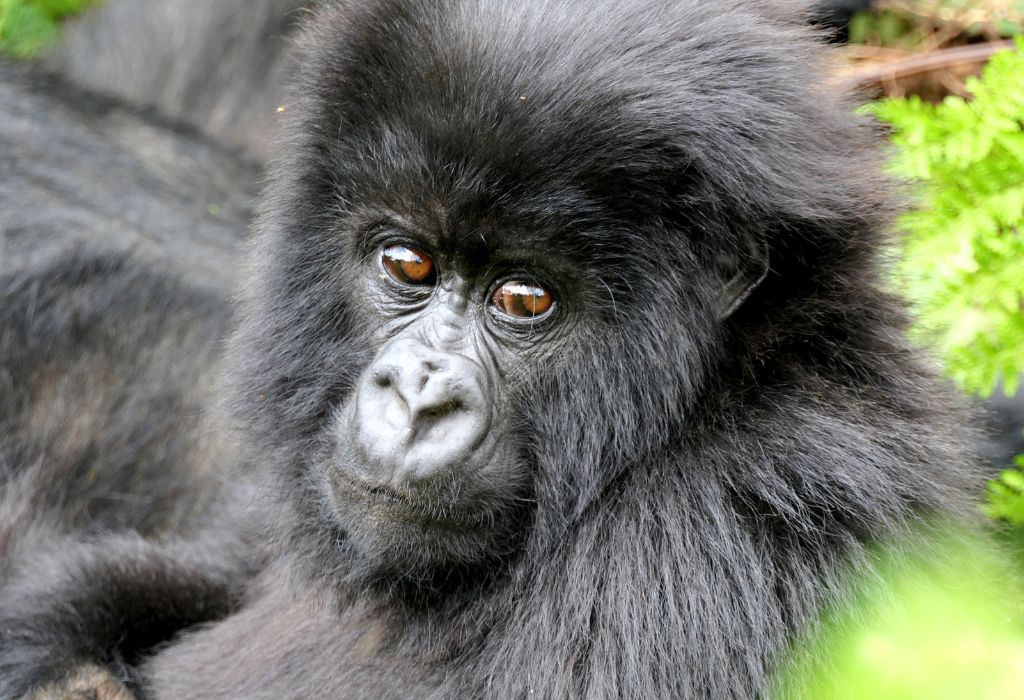
Mountain gorilla trekking – Uganda or Rwanda
Chimpanzee tracking – Uganda, Rwanda, or Tanzania
Beach extensions – islands like Zanzibar, Mafia Island, or the Swahili Coast
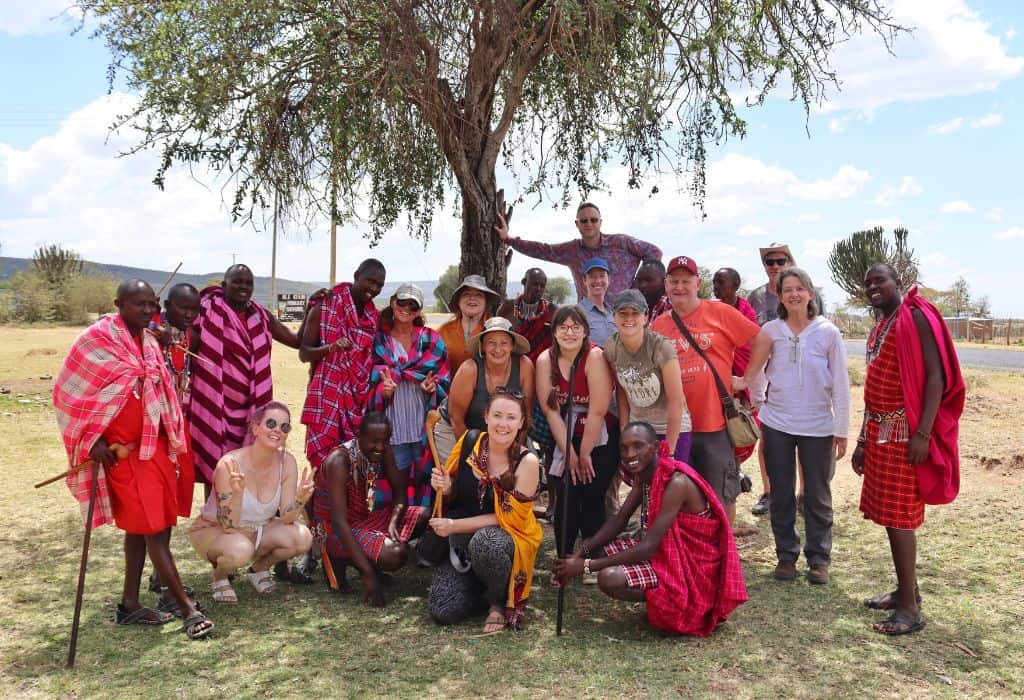
Cultural encounters – local communities, villages, music, and dance
Natural wonders – volcano hikes (Uganda, Rwanda, Tanzania), Victoria Falls (Zambia,Zimbabwe) and sand dunes (Namibia)
Marine safaris – whales and sharks (South Africa, Tanzania, Mozambique)
Kids activities – some lodges have kids clubs and pools
But remember, many experiences are seasonal, so you’ll need to check when they are available – for example, swimming in Devil’s Pool in Zambia is only possible at certain times of the year.
How long do you actually have?
Your available time will strongly influence where you can go. In some countries, parks are small and close together, so you can visit multiple parks in just a few days. In other countries, parks are vast and require several days to explore properly.
Distance between parks is also important – some trips involve long drives, while others require light aircraft transfers, which can add both time and cost to your safari. It’s not fun just driving from location to location, you want to slow down and see the parks.
Safari Destinations By Country
Kenya
Experience Level: Beginner-friendly; guided safaris recommended and easy to arrange
Wildlife Highlights: Big Five, wildebeest migration, Special 5
Best Time to Visit: June – October, December – February
Landscapes: Savannah, rolling hills, Great Rift Valley

 PHPTRAVELS v8