
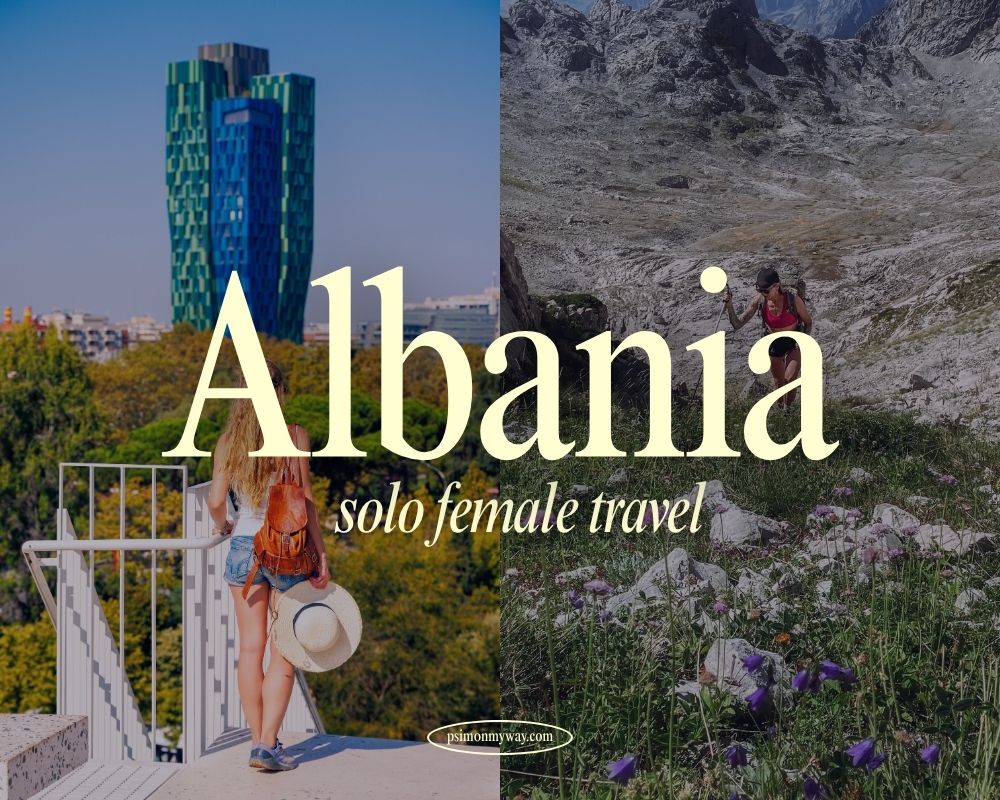
I still remember standing alone at the edge of Theth valley, utterly unbothered, wondering why nobody warns you how easy this is. Solo female travel Albania isn’t the leap of faith it seems from outside. It’s one of the safest, warmest countries in Europe to explore by yourself, and this guide will show you exactly why.
Hi Trisha! I'm Casey from Portland, and I've basically binged your entire blog this week. I can't believe how many countries you've traveled to solo, it's honestly inspiring. Now I'm thinking about Albania for this fall, but I know almost nothing about it beyond a few gorgeous coastline photos I saw online. Is it actually safe for a woman traveling alone? I've never been to the Balkans, don't speak a word of Albanian, and my family thinks I'm crazy for even considering it. Do people speak English there? Is it weird to eat alone at restaurants? I have so many questions and zero idea where to start.
Hi Casey,
Thank you, that genuinely means a lot to hear! I started this blog 17 years ago because I wanted other women to feel like solo travel is possible for them too, so I’m so glad you’re along for the ride!!!
What you’re feeling right now, that mix of excitement and “am I insane,” is exactly how every solo trip worth taking starts. I felt it too before my first Albania solo female travel, and I promise you: it’s worth it. More than worth it.
Rather than answering everything in one email, I put together a full guide below that covers safety, where to go, what to pack, budgeting, and all the little cultural things nobody tells you. Please read it slowly and come back to it. You’ve got this!
Xx, Trisha
✈️ If you’re already dreaming about Albania but feel a little overwhelmed figuring out where to start, I get it. Before you dive into this whole guide, know that you can also just book a quick 1:1 chat with me. We’ll talk through your trip, your worries, whatever’s on your mind. And I’ll help you build a plan that actually fits you!
BOOK A 1-1 COACHING →
What’s in this solo female travel guide:

? Currency Albania uses the Albanian Lek (ALL), not the Euro, so don’t assume otherwise. ATMs are widely available in cities, and cards work in hotels and larger restaurants, but carry cash for small shops, furgons, and rural areas. Notify your US bank before traveling to avoid card blocks.
? Power Plug Albania uses Type C and Type F plugs, running on 230V. It’s different from the US’s 120V system. Bring a universal adapter, and check that your devices are dual-voltage before packing, since American appliances without voltage conversion may not work or could get damaged.
? Visa: Visa requirements for Albania vary by nationality, but many travelers — including from the US, UK, EU, and Canada — can enter visa-free for up to 90 days with a passport valid at least three months beyond travel dates. Always check current requirements for your specific country before booking.
?️ Language: Albanian is the official language, but don’t stress — English is widely spoken by younger people, in cities, and throughout the tourism industry. Italian and Greek are also common in certain regions. Learning a few basic Albanian phrases goes a long way with locals, though.
? Culture: Albania blends Illyrian, Ottoman, and Italian influences, with a strong tradition of hospitality (besa) that Americans often find surprising. Family and community matter deeply here. Expect warm, curious locals eager to chat, especially once they learn you’ve traveled from the US alone.
✈️ International Airports: Tirana International Airport (TIA) is Albania’s main gateway, with direct flights from several European hubs. Americans typically connect through cities like Istanbul, Vienna, or Rome. There are currently no direct flights from the US, so budget extra time for layovers when planning your trip. [FIND CHEAP FLIGHTS TO ALBANIA →]

Yes, traveling alone as a woman in Albania is safe! And I can say that from experience. And I’m not just saying that to sell you on the guide.
My first night in Tirana, I walked back to my guesthouse alone after 9pm and my heart was doing that thing where it’s pounding for no reason. I kept waiting for something to feel weird. It just… didn’t. Quiet street, a couple locals nodded hello, and that was it. I remember thinking, wait, that’s it?
Same thing happened the whole trip, honestly. I hiked into Theth completely alone, saw like three people the entire day, and never once felt sketched out. Just far from everything, in a good way.
In Berat I sat down for dinner by myself and nobody gave me that pity-slash-confused look you sometimes get eating alone. It’s just not a thing there. Only “rule” I actually followed was stuff I’d do anywhere: paying attention on empty roads at night, keeping my bag in front on the furgons.
The thing that got me is how much the fear didn’t match reality. Petty theft is rare in Albania, it’s lower than in most tourist-heavy European cities.

May and June are the sweet spot. I went in late May and had warm days, clear water on the Riviera, and none of the July crowds that pack Ksamil shoulder to shoulder. Everything still felt easy to navigate alone. Trails weren’t overrun, restaurants had space, and I never felt like just another tourist in a swarm.
September is my second pick, and honestly might edge out spring. The sea is still warm from summer, the heat has calmed down, and by then I’d made enough small connections with guesthouse owners that solo travel Albania started to feel less like a solo trip and more like visiting friends.
I’d skip July and August unless you love heat and crowds. Saranda gets intense! And while winter is quiet and cheap, a lot of mountain areas like Theth shut down completely, which limits what you can actually do alone.

Tirana is where most solo trips to Albania start, and honestly, it’s a great training-wheels city before you head into smaller towns. It’s compact, walkable, and colorful. Literally, thanks to the painted apartment blocks scattered through the center.
English is widely spoken, especially by younger locals and anyone working in hospitality, so getting around and asking for help never feels like a struggle.
Safety-wise, Tirana feels comparable to any mid-sized European capital. Central areas like Blloku and Skanderbeg Square are busy well into the evening, and walking alone at night in these zones feels normal, not risky. The main thing to watch is pickpocketing in crowded spots, not personal safety.
Budget-wise, it’s one of the cheapest capitals in Europe. A private hostel room runs $15–25 a night, a solid dinner out is $8–12, and Bolt (the local ride app) makes getting around after dark both affordable and safe, usually just a few dollars per ride.
For solo female travelers, Tirana works well as a “landing pad,” a place to adjust, meet other travelers through hostels or free walking tours, and build confidence before venturing into more rural parts of the country.
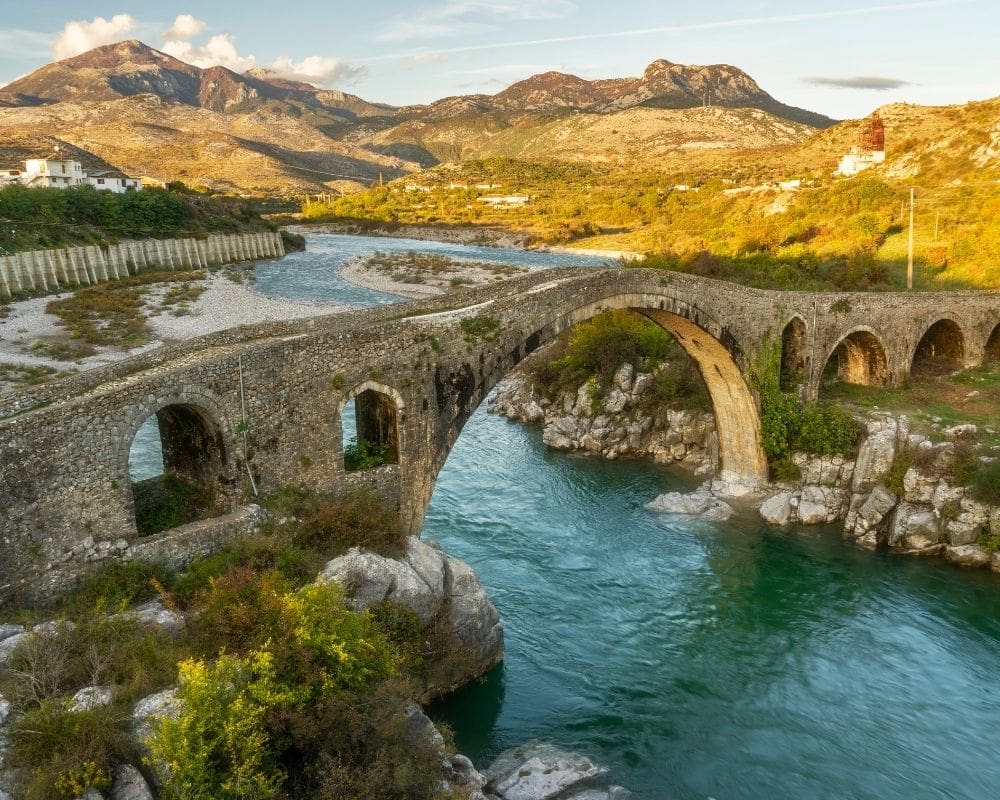
Shkodër doesn’t get nearly the attention Tirana or the coast does, which is exactly why I loved it. It’s smaller, slower, and feels distinctly local. You’ll see far fewer tourists here, and the ones you do see are usually about to head into the mountains, since Shkodër is the main gateway to Theth and the Albanian Alps.
Safety felt effortless here. It’s a quiet, walkable city with a relaxed pace, and locals were consistently warm and a little curious about a woman traveling alone — in a friendly, not intrusive, way. Renting a bike to explore Rozafa Castle or ride along Lake Shkodër solo felt completely comfortable, even as a first-timer.
Costs are even lower than Tirana. Guesthouses run $12–20 a night, meals are $5–10, and the shared minibuses (furgons) to Theth cost just a few dollars, though I’d recommend booking a private transfer if you’re traveling alone and want more flexibility with timing.
Shkodër is ideal if you want a few slower, low-key days to recharge before or after a mountain trek — and it’s a good litmus test for how comfortable rural, less touristy Albania feels for solo women.

Berat is the town that makes you stop mid-street just to stare. Known as the “City of a Thousand Windows,” it’s built up a hillside in tiers of white Ottoman houses stacked on top of each other, with a working castle at the top that people still actually live inside.
It’s one of those places where you don’t need a packed itinerary. Just wandering the old quarters is the activity.
Safety here felt effortless, maybe even more so than Tirana. It’s small, walkable, and the kind of place where shop owners remember your face by day two. Walking up to the castle alone in the early morning or evening never felt uneasy. Just quiet and a little magical, honestly.
Costs are low. Guesthouses in traditional Ottoman-style homes run $15–25 a night, meals at local spots are $5–10, and most of the old town is walkable, so you won’t need much transport once you’re there.
For solo female travelers, Berat is a confidence-builder. It’s easy to navigate, low-stress, and welcoming enough that eating alone on a terrace overlooking the castle feels completely normal, not something anyone questions.

Gjirokastër is Berat’s stony, steeper cousin. An entire town built from silver-grey stone, climbing up toward a massive hilltop fortress. It has a slightly more rugged, dramatic feel, with cobblestone streets that get genuinely steep, so comfortable shoes matter more here than almost anywhere else in Albania.
I felt just as safe here as in Berat, maybe even more anonymous, since it sees fewer tourists overall. Locals were warm without being overly attentive, and wandering the old bazaar or up toward the fortress alone felt completely normal, even in early evening light.
Costs stay low: guesthouses run $15–20 a night, and traditional meals at family-run restaurants are $6–10, often for more food than you can finish. The fortress entry fee is just a couple of dollars, and it’s easily explored solo in an afternoon.
What I appreciated most as a solo traveler is how unhurried Gjirokastër feels. There’s no pressure to “do” the town quickly — you can sit at a café for an hour, get lost in stone alleyways, and nobody treats a woman alone as unusual or out of place.

Ksamil is the closest thing Albania has to the Maldives — turquoise water, tiny offshore islands you can swim or kayak out to, and sand that actually looks photoshopped in real life. It’s small, so most of it is walkable, and it’s become one of the most popular stops on the coast, which means more infrastructure but also more crowds in peak summer.
Safety here felt easy, especially by day. Ksamil is beach-town casual, with lots of families and tourists around, so solo women blend right in. The main thing to watch is late-night walks along quieter stretches of beach road, where lighting can be sparse.
Costs run a bit higher than inland towns since it’s tourist-dense. A beachfront guesthouse is $25–40 a night in summer, meals are $8–15, and boat trips to the islands run $10–20 depending on the season.
For solo travelers, Ksamil is a great “treat yourself” stop rather than a base for deep cultural immersion — think sunbathing solo with a book, hopping on a group boat tour to meet people, and enjoying not having to negotiate beach plans with anyone else.

Sarandë is the Riviera’s main hub — bigger, livelier, and busier than the smaller beach towns around it. It has a proper waterfront promenade, ferries over to Corfu, Greece (just an hour away), and enough restaurants and bars that solo dining or grabbing a drink alone never feels out of place.
Safety-wise, it’s comparable to any busy coastal resort town. The promenade is well-lit and populated late into the night, so evening walks feel comfortable. Like anywhere touristy, just keep an eye on your bag in crowded areas near the port.
Costs are mid-range for the coast: guesthouses run $20–35 a night, meals are $8–14, and it’s a good base with easy furgon connections to Ksamil, Himarë, and even day trips to Butrint’s ancient ruins.
Sarandë works well for solo female travelers who want some nightlife or social energy without needing to plan it themselves — hostel bars and rooftop restaurants make it easy to meet other travelers, and the Corfu ferry option is a nice bonus if you want to hop into Greece for a day.

Himarë sits between Vlorë and Sarandë, and it’s the kind of place that feels like the Riviera before it got fully discovered. It’s quieter, more residential, with a laid-back Old Town on a hill and a pebble-and-sand coastline that never gets as packed as Ksamil.
Safety felt very relaxed here — it’s small enough that you start recognizing the same faces at cafés within a day or two. Walking the seafront alone in the evening felt calm rather than deserted-uneasy, which isn’t always the case in quieter towns.
Costs are noticeably lower than Sarandë or Ksamil: guesthouses run $18–28 a night, and tavernas serving fresh seafood are $7–12, often family-run with genuinely warm service.
If you want coastal Albania without the crowds or the “resort town” feel, Himarë is where I’d send a solo female traveler who wants beach days that still feel personal and unrushed, with enough town to explore that you won’t get bored solo.

Dhërmi has a younger, slightly more backpacker energy than the rest of the Riviera — think beach clubs, a laid-back village up in the hills, and a coastline framed dramatically by the Ceraunian Mountains dropping straight into the sea.
Safety here is generally good, though beach clubs can get loud and party-oriented in peak summer, so if you’re solo, sticking to daytime beach hangs or well-reviewed hostel groups for nightlife is the smart move. The old village up the hill is quiet and safe to wander any time.
Costs vary a lot depending on which “version” of Dhërmi you’re in — beach club days can run $20–30 with drinks and sunbeds, while the village itself is cheap, with guesthouses around $15–25 a night.
Dhërmi is a good pick for solo travelers who want some social scene without the full intensity of Sarandë — hostels here tend to organize group dinners or beach days, which makes solo-to-social easy if you want company some days and solitude on others.

Vlorë is bigger, more local, and less polished than the resort towns further south, which is exactly its appeal. It’s a real Albanian city that happens to have a coastline, with a longer, more low-key waterfront and a food scene that leans into what locals actually eat rather than tourist menus.
Safety felt straightforward and unremarkable in the best way — it’s a functioning city with regular foot traffic, and I never felt singled out walking around solo, day or night in central areas.
Costs are some of the most reasonable on the coast: rooms run $18–25 a night, meals at local restaurants are $6–10, and it makes a good, less touristy base if you want to explore nearby beaches without resort pricing.
For solo female travelers who’ve already done a few beach towns and want something a little more grounded and less “vacation-mode,” Vlorë is a nice reset — good food, real city energy, and far fewer tourists competing for your table at dinner.

Theth is the payoff for anyone who wants to feel like they’ve actually gotten off the beaten path. It’s a remote alpine village tucked into the Albanian Alps, reachable by a bumpy but genuinely stunning drive, with the famous Blue Eye spring nearby — a natural pool so clear and blue it looks digitally edited.
Safety felt different here, in a good way: it’s remote enough that “safety” is less about crime and more about being sensible outdoors. Locals in Theth are used to solo hikers, including women, and guesthouse owners often double as informal trail guides who’ll point you toward safe, well-marked routes.
Costs are low and simple. Guesthouses (often family-run, breakfast included) run $20–30 a night, meals are $6–10, and the shared furgon from Shkodër costs around $10–15, though a private transfer gives more flexibility if you’re traveling alone.
For solo female travelers, Theth is less about nightlife or social scenes and more about quiet, self-directed adventure — hiking to the Blue Eye or up toward Grunas Waterfall alone feels peaceful rather than isolating, especially since the trails are busy enough in season that you’re rarely fully alone.

Valbona is best known as the other half of Albania’s most iconic hike — the Theth-to-Valbona trek, a full-day trail through mountain passes that’s become a rite of passage for hikers visiting the country. The valley itself is just as dramatic as Theth, with steep green slopes and a wilder, less-developed feel.
Safety on the hike itself comes down to preparation, not danger from people. It’s well-marked and popular enough in summer that you’ll pass other hikers regularly, but I’d still recommend starting early, telling your guesthouse your route, and checking weather before setting out solo.
Costs mirror Theth’s: guesthouses run $20–30 a night with meals often included or added for a few dollars more, and the return furgon from Valbona back to Bajram Curri or Shkodër is affordable, usually under $15.
Valbona rewards solo travelers who want a genuine sense of accomplishment — finishing the Theth–Valbona hike alone is the kind of thing that quietly builds confidence for the rest of your trip, and the guesthouse culture here makes it easy to swap stories with other hikers at the end of the day.

Llogara isn’t really a town to base yourself in — it’s a dramatic mountain pass you drive or hike through, where dense pine forest suddenly opens up to sweeping views of the coastline far below. It’s one of those “pull over and just stare” moments on the way between inland Albania and the Riviera.
Safety here is straightforward since most visitors pass through by car, furgon, or organized day trip rather than staying overnight. If you’re hiking any of the marked trails solo, sticking to daylight hours and popular routes is the main precaution, as parts of the park are genuinely remote.
Costs are minimal if you’re just passing through — furgons between Vlorë and Sarandë often stop briefly at viewpoints, and a full day trip with a driver or tour costs $20–40 if you want more time to hike or picnic.
For solo travelers, Llogara works best as a scenic stop rather than a destination itself — a good add-on if you’re already traveling the coastal route and want a mountain-air break, with photo opportunities that are hard to replicate anywhere else in Albania.

However much time you have, I’d build your trip as a loop starting and ending in Tirana — it matches how transport actually connects, and it means no backtracking. Adjust freely based on whether you’re more drawn to beaches, hiking, or history.
A tight loop hitting the best-known spots without feeling rushed.
Same core loop, with room to add the Alps for a fuller, more active trip.
For travelers who want to slow down and cover the whole country without rushing.
A note on pace: solo travel is more tiring to plan and navigate alone than group travel, so these itineraries build in slower days on purpose. Don’t feel like you need to fill every hour. It’s easier to add an extra café afternoon than to recover from burning out halfway through your trip.
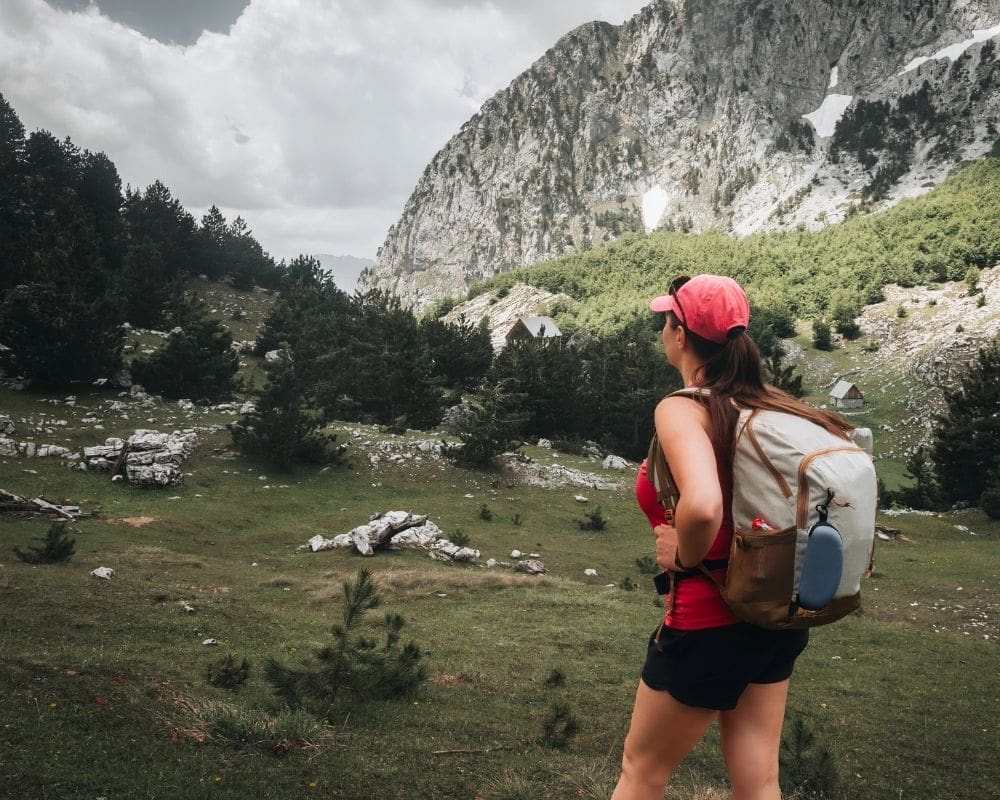
Nobody warned me about furgons before my trip, and I spent my first morning in Tirana just standing around confused. They depart when full, not on any fixed timetable.
There’s no app, no printed schedule, nothing to check in advance. You just show up at an informal spot (usually a parking lot or corner a local points you to), ask which van’s headed your way, and wait it out. Once I understood that going in, the whole system stopped feeling chaotic and started feeling kind of charming.
I learned this one the hard way after a slow afternoon start left me waiting almost two hours for a furgon to fill up. Furgons and buses are most frequent and full earliest in the morning, between roughly 7 and 10am, and afternoon options for mountain routes especially thin out fast, often stopping altogether after 2pm. Now I build every travel day around an early departure, no exceptions.
My pronunciation was rougher than I expected, and more than once a driver just looked at me blankly. Having my destination typed out in Albanian script as a backup on my phone screen saved me from a few confusing standoffs. I’d just show the screen instead of trying (and failing) to say it right.
I made the mistake of showing up to my first furgon with only a large bill, and the driver just shook his head. You pay furgon drivers directly in Albanian Lek, in cash, on board. No cards, no apps. I started breaking large bills in cities before heading anywhere smaller, and it saved a lot of awkward moments.
I once scheduled a ferry right after a furgon leg, thinking I’d left enough time. I hadn’t. Because the departure time is genuinely “when we’re full” and that’s not negotiable, I now treat furgon travel as inherently unpredictable and build in buffer time as a rule, not a maybe.
Getting out to a quiet beach town alone felt easy. Getting back almost didn’t happen. There’s no fixed return schedule. You just flag a furgon down and hope, with no guarantee of timing, especially outside peak season. After one longer-than-comfortable wait on an empty road, I started saving a local taxi number before heading anywhere remote.
Bolt genuinely made me feel safer getting around Tirana and the coast at night: metered, cashless, easy. But the first time I tried it in a smaller mountain town, there was simply nothing available. I learned to treat it as a city tool, not a everywhere-fallback.
The drive through Llogara Pass is one of the most beautiful I’ve done in Albania — and also one of the queasiest. Depending on the route, it’s either a long tunnel or a steep, winding mountain road, and furgon drivers take those curves with confidence. After one rough ride in the back, I always ask for a front seat now.
I once arrived somewhere new after dark expecting to walk straight into town, only to realize bus stations are often located outside the main part of town, with a short local connector to get you in. Now I always factor in that extra leg (and its small cash fare) when I’m timing an arrival, especially at night.
For anything longer-distance or headed into the mountains, I stopped trying to figure out furgons alone. A lot of bookings for coaches or private transfers actually happen by phone or WhatsApp the evening before, and most guesthouse owners are happy to arrange it for you. Once I started doing this, half my transport stress just disappeared.

English is widely spoken across Albania, especially by younger people, in cities like Tirana, and throughout the tourism industry — so you’re genuinely never stuck. But I always love picking up a handful of local phrases wherever I travel, and Albania is no exception. A little effort goes a long way here; locals visibly light up when you attempt even a clumsy “faleminderit,” and it tends to open up warmer, more genuine interactions than English alone ever would.
Greetings & Politeness
Getting Around
Practical & Everyday
Food & Dining
 PHPTRAVELS v8