
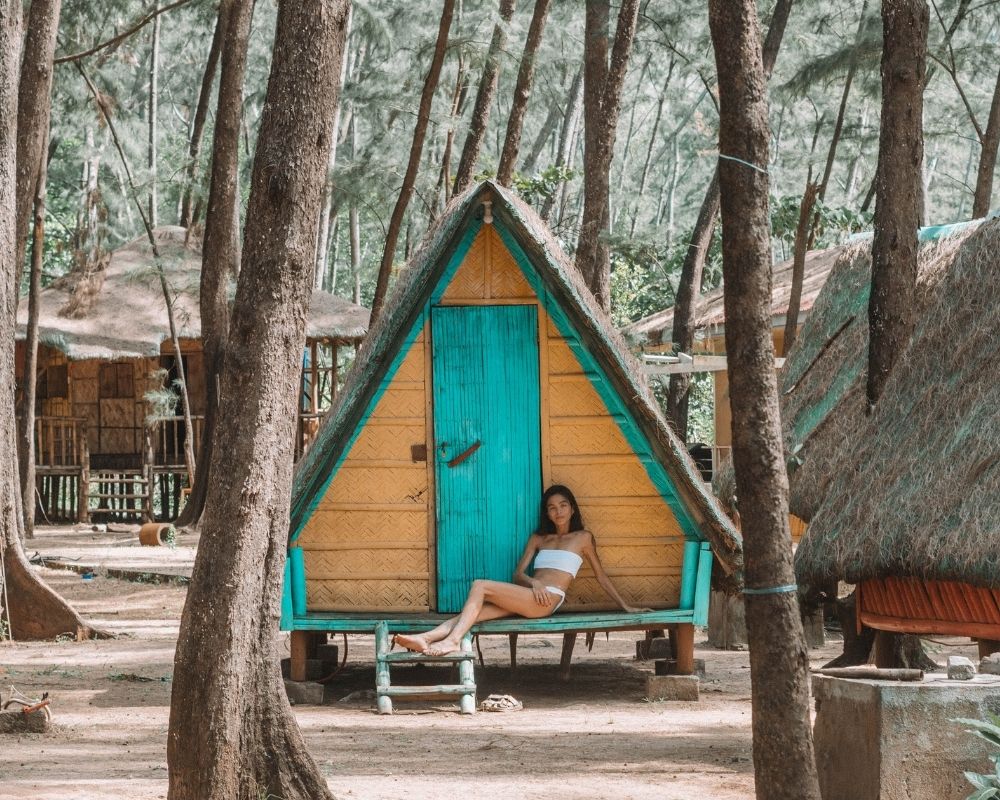
Hey there, my name is Trisha, and I’ve spent the last 17 years traveling the world with a Filipino passport. In this article, I will share a step-by-step guide on how to become a digital nomad with a weak passport. Whether you’re Indian, Indonesian, Latin American, Eastern European, or from any country where visas and borders feel like barriers, this guide is for you!
Most articles about how to become a digital nomad with a weak passport obsess over the work: how to land clients, which platforms to use, or how to stay productive while traveling.
But almost none talk about the bureaucracy.
The visas, the immigration interviews, the passport limitations, the endless paperwork — the parts of nomad life that can stop you before you even open your laptop.
For those of us with weak passports, this is the real story.
It’s not just about finding remote work; it’s about proving to immigration officers that you’re credible, navigating visa restrictions, and building travel history that unlocks tougher borders.
In this guide, I’ll walk you through the steps that go beyond the hustle — the mindset shifts, the income planning, the visa strategies, and the travel history that make nomad life possible when the system isn’t built for us.
This is the most common trait all aspiring digital nomads with weak passports have: our cultures have beliefs shaped by real systemic barriers, not just mindset:
Okay, these beliefs are understandable, but they are not absolute. Believe me, there are a lot of Indians, Indonesians, and Latin Americans proving that restricted passports don’t mean restricted lives.
Not all of us will have the same limiting beliefs, but once you know yours, you can dismantle them and become empowered to become a digital nomad with a weak passport.
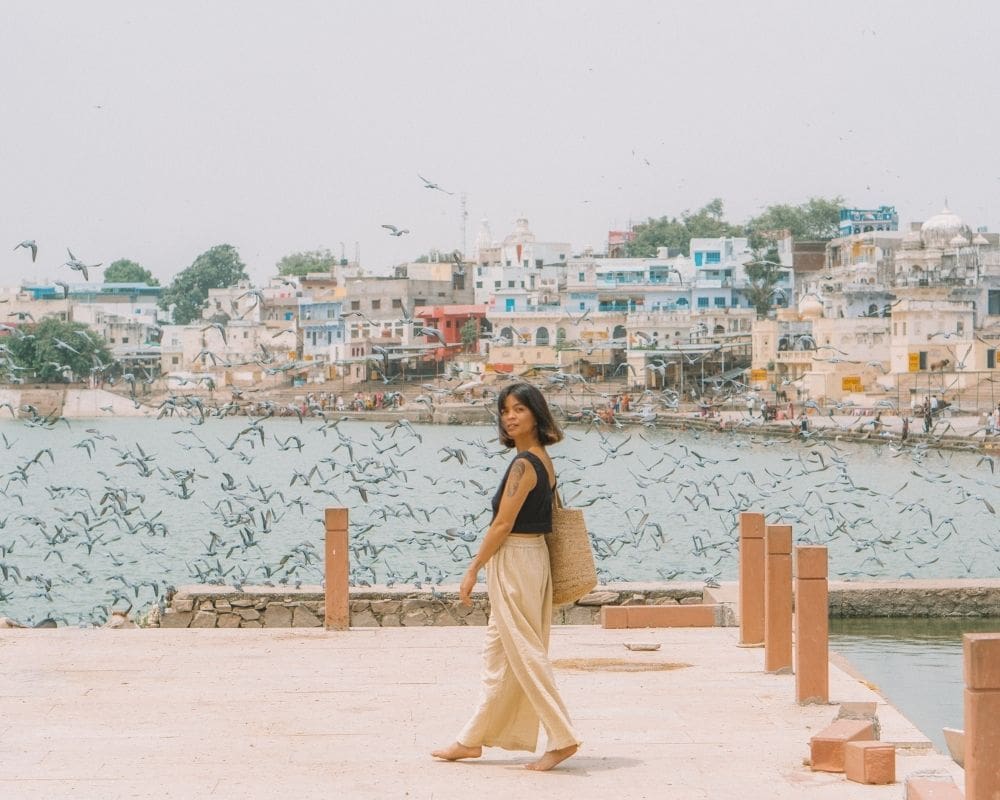
People often say traveling is expensive, but in my 17 years across 70+ countries, I’ve learned it’s expensive everywhere.
The real question isn’t whether travel costs more than staying home. It’s whether your income matches the lifestyle you want.
Take Manila, for example. Many of you reading this blog are based there, and you know the reality: you can’t even eat out decently for ₱500 ($9 USD) anymore.
That’s not a ‘travel problem’, but a cost-of-living problem. And when you compare it to places like Vietnam, Thailand, or Taiwan, you’ll often find that daily expenses abroad can be equal to or even cheaper than what you’re already paying at home.
Bali, one of the world’s top destinations, can be more affordable than a weekend in Manila.
So instead of asking ‘is travel expensive,’ ask yourself: what income level makes me feel secure and free?
For some, that’s $1,000 a month. For others, it’s $3,000. The number isn’t universal. It depends on your comfort zone, your spending habits, and your priorities.
Once you know your baseline, you can design your digital nomad journey around destinations that fit your budget, rather than forcing your budget to fit the destination.

Another notable thing about aspiring digital nomads with weak passports: we only have high regard for mainstream careers.
Yes, I understand, our cultures tie us to ‘prestigious’ careers according to society’s ruler, but please remember that you cannot possibly live a life of travel and see the world if you choose a path that is tied to a certain place.
Before I built my travel empire and many business I have abroad, I was a Virtual Assistant. It’s a good stepping stone because there’s a consistent monthly income, and you don’t have to stress about building your business just yet.
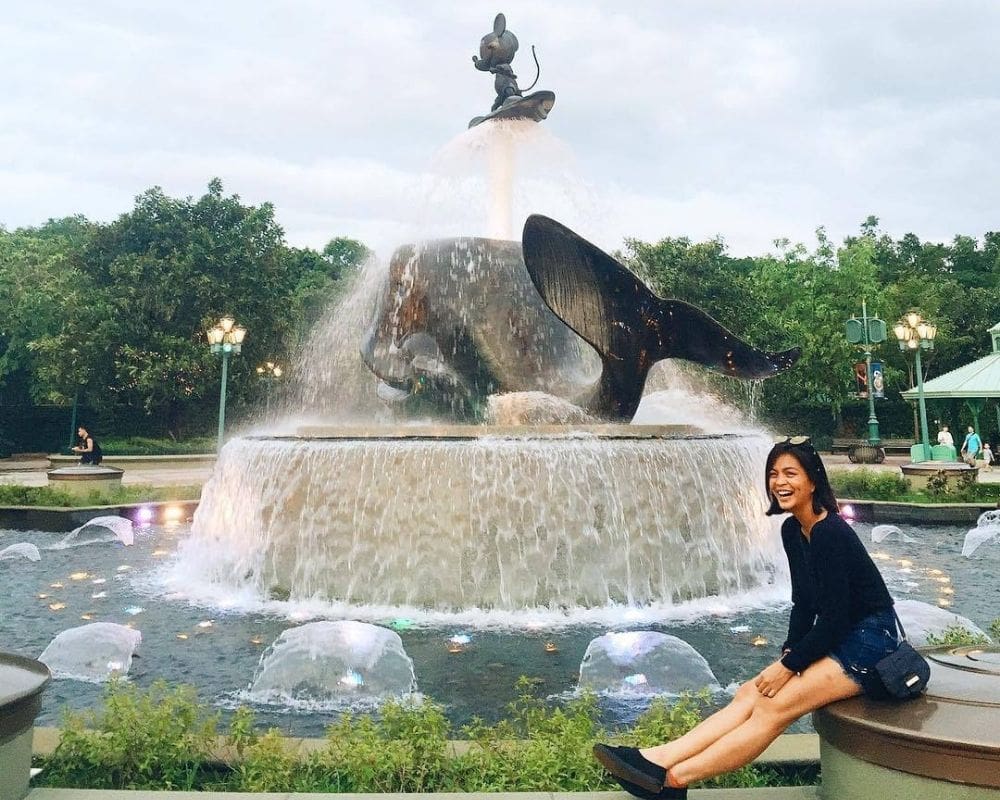
As an aspiring digital nomad with a weak passport, you will come across advice like ‘travel in your home country first’ but that’s not the advice I will give to you.
Especially me, as a Filipino, who find traveling in the Philippines so much more expensive than neighboring countries like Vietnam, Thailand, or Taiwan. Even Bali, as a top destination is cheaper than the Philippines.
There’s such a thing as travel history, an important strategy for digital nomads with weak passports. Immigration officers often use it as a measure of credibility, reliability, and risk.
A strong track record of responsible travel can make borders easier to cross and visas easier to obtain. Believe me, as a Philippine passport holder, they don’t even check me anymore, and I’ve never been offloaded in my life.
All because I invested in travel history. You don’t have to start your first journey for 30 days like a nomad right away. You can do 5 days here, 7 days there.
As long as you keep coming back to your home country after these short bursts of travel, you’re showing immigration that you respect the rules.
You’re going back. You’re not overstaying. That’s the credibility you’re building.
So spend your money on travel instead of upgrades. Skip the new iPhone. Don’t buy a car. Uninstall Shopee or Lazada.
Do everything you can to prioritize travel because every stamp in your passport is an investment in your freedom.
Start with the visa-free countries or somewhere close by. It doesn’t matter what country it is, just go and come back home. Treat this like a field test.

Once you’ve built travel history through visa-free countries, the next strategic move is to apply for stricter visas.
For Filipino passport holders, Japan and South Korea are excellent starting points because they’re both aspirational destinations and realistic to secure with the right preparation.
They are also nearby with affordable flights! They are also very prestigious visas so once you have these two stamps, they boost credibility for future Schengen or US visa applications.
It is not a guarantee that you will get these visas on the first try but keep trying especially if you qualify for the income. There is nothing to be afraid of. Try and try and try until you get it!
? After Japan and Korea, you can aim for Schengen visas (Europe) or US visas, using your Asia travel history as leverage.
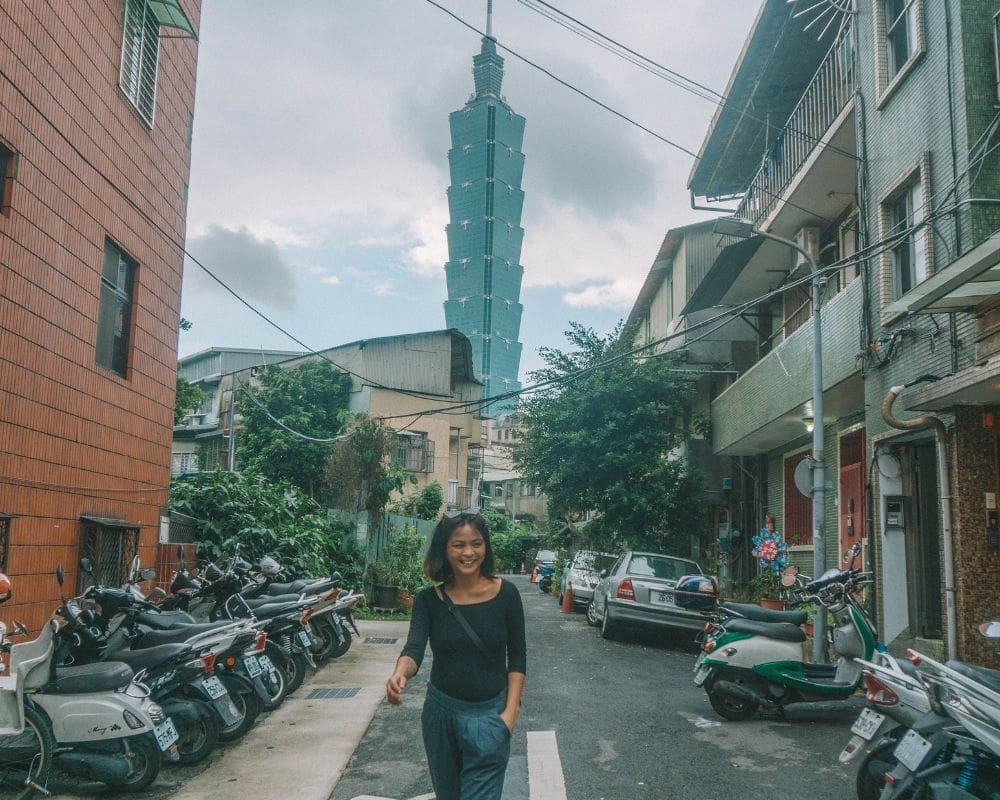
Choose a country where you get 90 days visa-free or even 30 days is enough. After building travel history and proving credibility with immigration, this step allows you to test whether your remote income and lifestyle can truly sustain you abroad.
The key is to choose a visa-friendly base that allows you to stay for two to three months without stress, such as Thailand, Mexico, Colombia, or Georgia.
Once settled, design a daily rhythm that balances deep work, exploration, and rest, so you’re not just traveling but actually living as a digital nomad. Budget carefully, track your expenses, and compare them to your home base.
You’ll often find that living abroad can be equal to or cheaper than staying in Manila. Use this time to build community through coworking spaces and meetups, and document your journey with visas, stamps, and stories that strengthen your credibility for future applications.
A 90-day journey is long enough to prove sustainability but short enough to remain flexible, making it the perfect bridge between “trying out nomad life” and committing to full-time global mobility.
Even if you have a great remote job and earn more than enough income, visas can still be denied. I’ve experienced this myself — despite being financially stable, I’ve been rejected from countries simply because of the passport I carry.
That’s the reality for many of us from the Global South: the system doesn’t just measure money, it measures credibility, travel history, and perceived risk.
This is why building travel history, understanding visa strategies, and mastering bureaucracy are just as important as securing remote work.
Because no matter how much you earn, immigration officers don’t see your bank account first, they see your passport.
 PHPTRAVELS v8