

For the last 14 years that I’ve been a digital nomad, nobody was paying attention to this profession but now more and more countries with digital nomad visa are emerging. Here are the best countries with digital nomad visas (updated monthly).
? Trish, I am your follower since 2013 and I love your digital nomad lifestyle! I am from the USA and have been working from home since 2020. I realized that I do not need to be in the US in order to work since our offices are officially closed this year.
If this is still the case, I would like to relocate in 2021. What are the countries with digital nomad visa? I know you are currently in Mexico and I am thinking of going too. I just want to have more options. Thank you in advance and I hope you are well!
Kirsten, New York, USA
Hi Kirsten,
Thank you for reaching out! I’ve helped a lot of American digital nomads find their base and I hope I can help you, too! Here’s the list of countries with digital nomad visa. I also included the process of how to apply for a temporary resident visa in Mexico.
This is where I currently live so if you decide to come to Mexico, let me know via Instagram DM. Good luck with your search!
Xx,
Trisha
What’s covered in this Digital Nomad Guide:

A digital nomad visa is a type of visa specifically designed for remote workers who want to live and work in a foreign country.
Unlike traditional visas, which are often tied to local employment or specific purposes like tourism or study, digital nomad visas cater to the growing trend of working remotely, especially in fields where work can be done online.
Key features of a digital nomad visa include:
I know you’re wondering why you should apply for a digital nomad visa when you can easily just go as a tourist. To tell you honestly, there are no regulations in any country in the world that say you cannot work in their country as a remote worker. How will they find out anyway if you just enter as a tourist?
But in my personal experience, it is quite tedious to think about visas when you finally settle down and find your place in one country. Most countries give 30-90 days of tourist visa stays that you can take advantage of but what if you want to stay longer?
Sure, going in and out of the border is easy but for some countries, it is not very simple. I got lucky because Mexico offers a 6-month tourist visa for Philippine passport holders like me so that’s plenty of time to plan my travels outside of Mexico.
However, that is me. I get excited every time I need to do a visa run because that means I get to explore another country.
Plus, if I do not have a valid visa (digital nomad or residency) in a particular country, it will be challenging to come back. Traveling these days is a little complicated because the rules can change at any time.
I kept thinking, “What if I do a visa run to Guatemala from Mexico and then have problems coming back?” I never want that to happen so I should have a legal visa to come back to Mexico.
Think about your circumstances. Is it worth the hassle to go in and out of the country every 90 days? Or would you rather enjoy where you are for a longer time without thinking about these legalities?
If you are going for a tourist visa, just don’t talk too much to the immigration upon entering a country. Say that you are a tourist. Period.
If in any case, they only give you a few days of tourist visa, you can book a 3-month accommodation that you don’t have to pay for. Once you’re in the country, just cancel it.

I am currently based in Mexico and was able to apply for a Mexico digital nomad visa in 2020. I did it with the help of a Mexican lawyer for a minimal fee. Mexico’s digital nomad visa is not called the digital nomad visa but the “no-lucrativo” (non-lucrative visa).
?? Related: Op-ed: Does Mexico hate digital nomads?

Canada opens its doors to remote workers through its Start-Up Visa Program, with a simpler immigration process and one of the easiest digital nomad visas to apply. This visa allows you to stay in Canada for 6 months with the possibility to apply for a permanent residency visa.
The process for applying for a Canada Digital Nomad visa is still unclear but you can refer to their official government website for more information.

The Costa Rica digital nomad visa allows you to live the pura vida life for 1 year and the best thing about this visa is that digital nomads are not required to file an income tax. You can also extend your stay for another year.
The only downside is that Costa Rica has a more expensive cost compared to other countries with digital nomad visa.
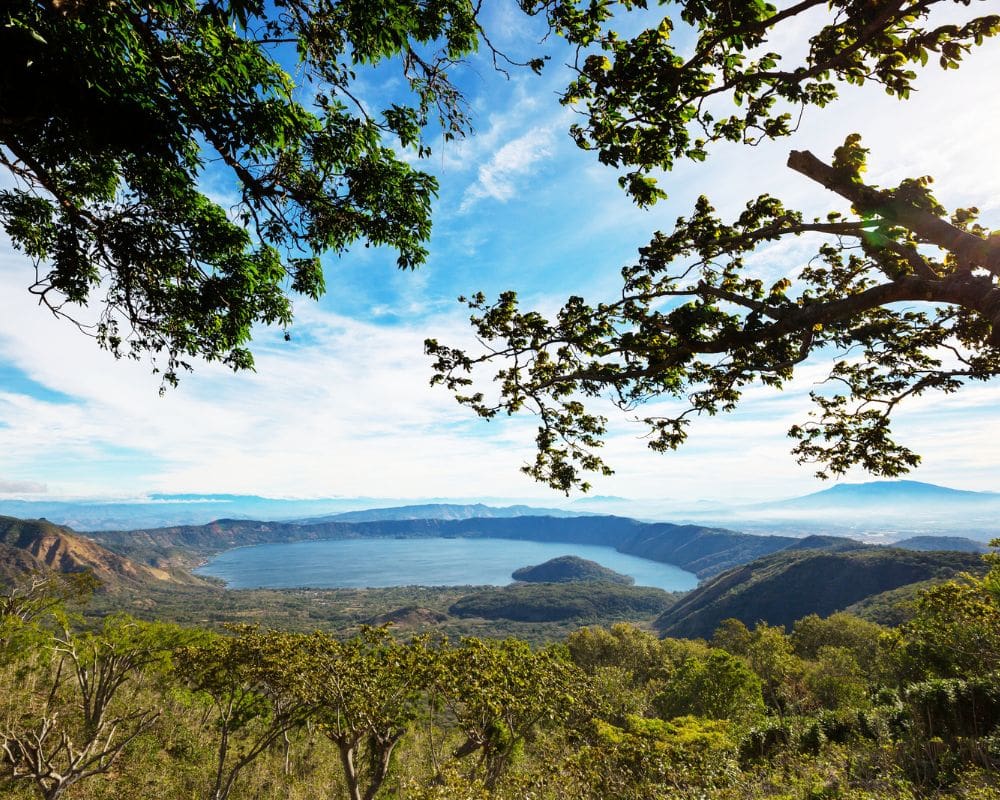
In recent years, the government of El Salvador has shown a strong commitment to digital currencies, making it the first country to adopt Bitcoin as legal tender. This could be advantageous for digital nomads interested in cryptocurrency.
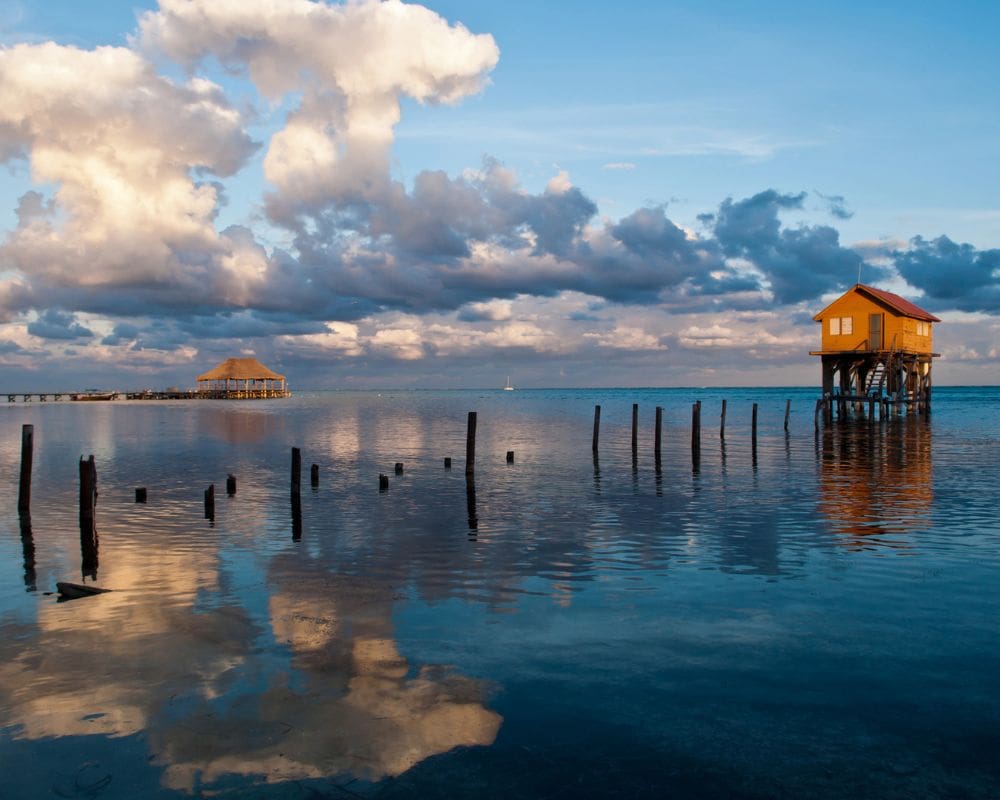
Living in Belize as a digital nomad has its own set of unique attractions and challenges. One of the primary benefits is its natural beauty and relaxed lifestyle.
Belize is home to stunning beaches, lush rainforests, and the world-famous Belize Barrier Reef, offering ample opportunities for exploration and outdoor activities.
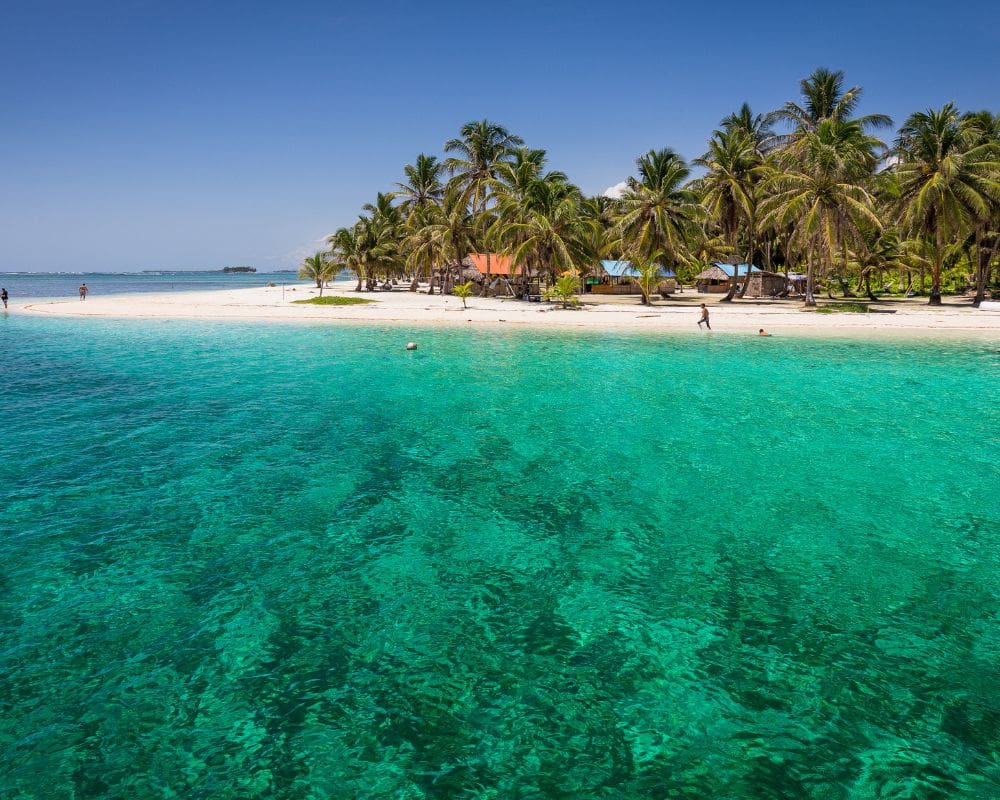
Panama’s Digital Nomad visa, also known as Short Stay Visa For Remote Workers allows digital nomads to stay in Panama for 9 months with a chance to renew for another 9 months.

The digital nomad visa in Colombia, officially known as the Migrant Visa (type M) for remote workers or freelancers, allows digital nomads to live and work legally in the country for up to three years.
This visa is aimed at individuals who earn a stable income from sources outside Colombia, such as remote work or freelance projects.

Ecuador has been known for its expat-friendly visa policies, which could be suitable for digital nomads. One popular option for longer stays is the Temporary Resident Visa, which can be obtained under various categories like professional, retirement, or investment visas.

The Brazilian government introduced a visa tailored for digital nomads in September 2021, which would allow remote workers to live and work in Brazil for a certain period while maintaining their employment outside the country.
Brazil’s digital nomad visa favors jobs in the sectors of content creation (influencers/bloggers), online teaching, digital marketing, translations, data analysis, web development and customer service.
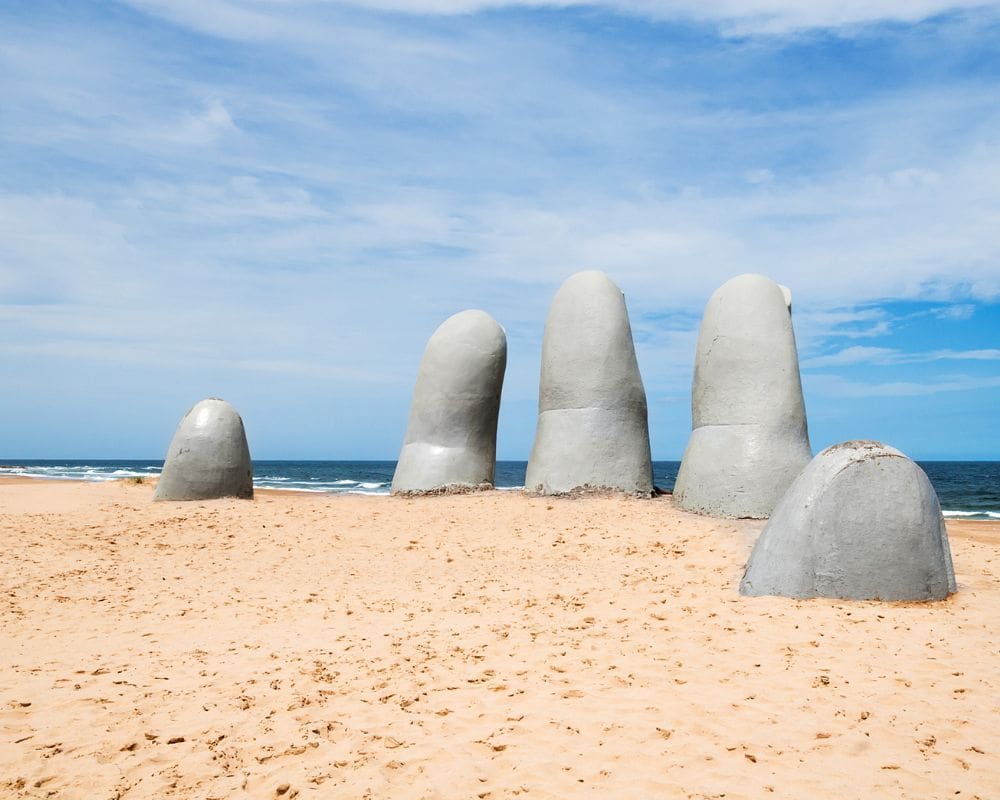
The residence permit for digital nomads who wish to live and work in Uruguay is for individuals who work for companies based abroad, or have a business on their own. This visa allows you to stay in Uruguay for 6 months and is the easiest digital nomad visa to process.

Argentina’s Digital Nomad Pass is a temporary residence visa designed for digital nomads. This will allow you to enter and work in Argentina for 180 days (6 months).
?? See also: Best European cities for digital nomads
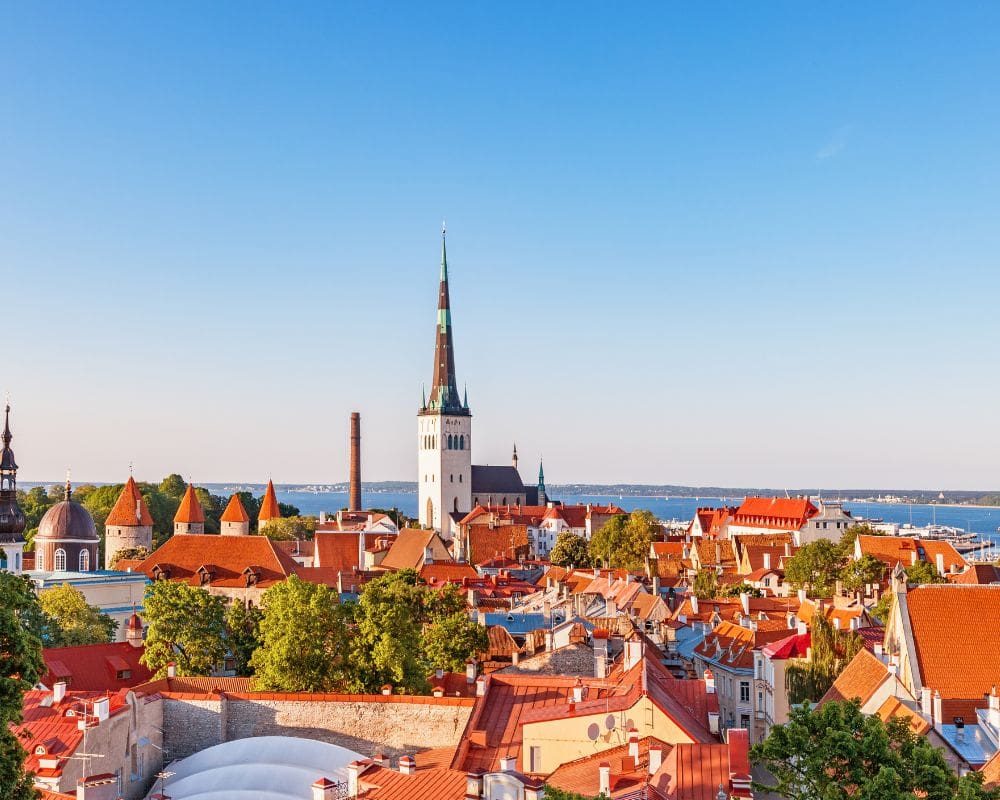
Estonia was one of the first countries to introduce a digital nomad visa, launching it in 2020. The Estonian Digital Nomad Visa allows remote workers from outside the European Union to live in Estonia and legally work for an employer or as a freelancer for clients based outside of Estonia for 3-6 months.

Georgia (the country) does have a visa program aimed at attracting digital nomads. It’s called the “Remotely from Georgia” program, launched in 2020. This initiative allows citizens of 95 countries to live and work remotely in Georgia for up to one year.

Armenia offers a relatively easy and flexible visa regime that can be conducive to digital nomads like their residency visa permit (temporary). Citizens of many countries can enter Armenia without a visa or obtain a visa on arrival or online for short stays, typically up to 120 days.
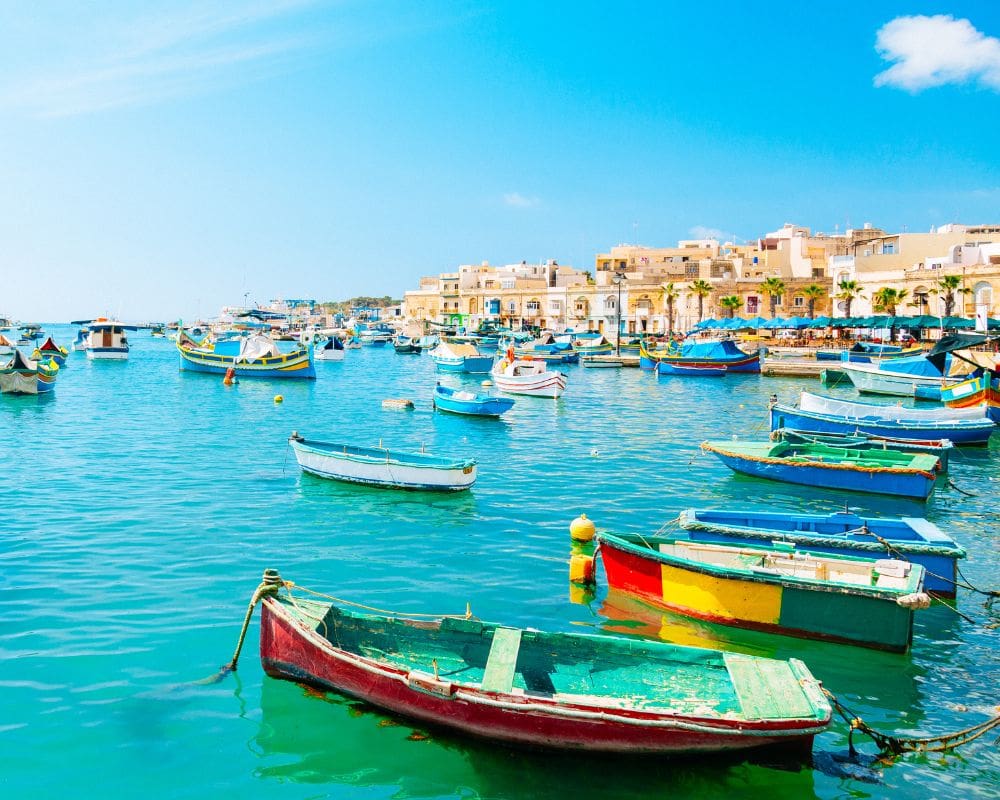
Portugal did not have a specific “digital nomad visa” per se, but it offered visa options that are favorable for digital nomads. The most relevant is the D7 Visa, also known as the Passive Income Visa.
This visa is designed for non-EU/EEA/Swiss citizens who have a reasonable net regular passive income, including retirees, entrepreneurs, and digital nomads.

Norway does not have a specific digital nomad visa. However, they offer various types of visas and residence permits that might suit digital nomads, such as the Independent Contractor Visa, but these often come with specific requirements and are not exclusively designed for digital nomads.
 PHPTRAVELS v8