
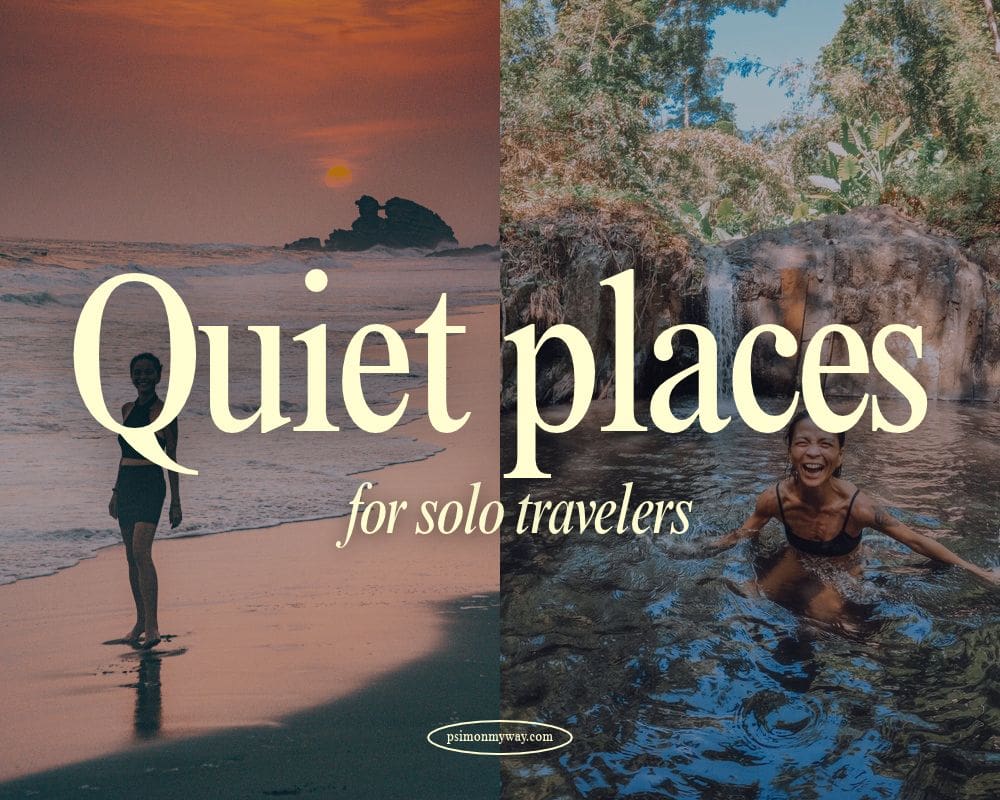
I have been traveling the world solo for the last 19 years, and I know how important solitude is. Here are the best quiet places to travel alone, with details on safety, budget, occasional socialization, and more!
Question from Megan, 34, Denver, Colorado
“Hi Trisha, love your life and solo adventures. I’m 34, I travel solo, and I’m completely burned out. After a year of back-to-back deadlines and a calendar that never stops, I don’t want another city break or a packed itinerary. I just want somewhere quiet where I can switch my phone off, walk for hours and not talk to anyone for a few days. I feel safe traveling alone, but I’m not sure where to start. Where would you go?"
Hi Megan,
First off: you’re not alone in this, and a burnout trip doesn’t have to mean vanishing into the wilderness. I put this guide together with you in mind, and it’s packed with the best quiet places to travel alone, from the Azores to Iceland’s Westfjords.
For each one, I break down what it actually costs (and how to stretch your budget), how safe it feels as a solo woman, and the slow, phone-free things worth doing, like crater-lake walks, hot springs and sunrise hikes.
And because quiet doesn’t have to mean lonely, I’ve also included easy ways to be around people when you want to, like a guesthouse dinner or a small-group hike.
I am currently doing “Alone Together” trips in the Philippines with a select few girls so let me know if you are interested to join, just contact me on Instagram!
Good luck and let me know which destination you chose!
Xx, Trisha
✈️ Want a trip with zero small talk but a little backup? Grab a 1-1 session with me and I’ll help you plan the quiet escape you keep daydreaming about.
⭐ BOOK 1-1 SESSION →
Kind of quiet: Meditative
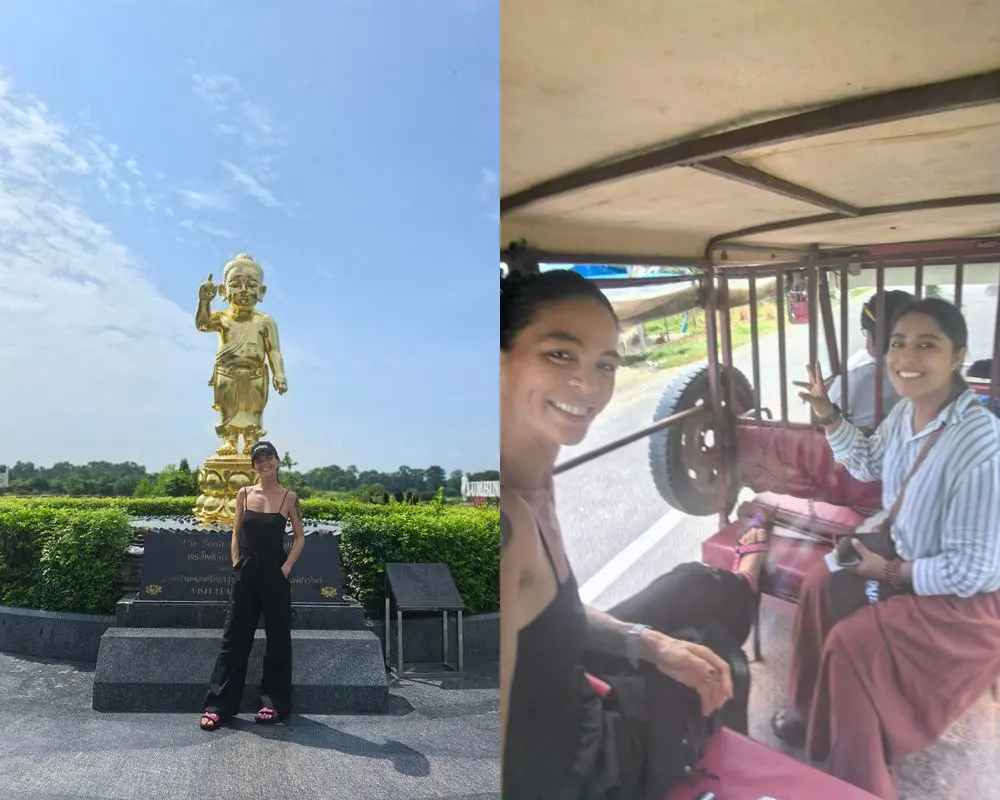
Lumbini is easily one of the best quiet places to travel alone. Chances are, you’ve never even heard of it. While it’s best known as the birthplace of Buddha, Lumbini has long been a significant destination for devoted pilgrims from around the world.
I felt really at safe here as a solo traveler. It’s a small town with lots of monks and pilgrims around, so nothing felt sketchy. I didn’t go out at night so I can’t say anything about that since all the wellness activities start at 6 AM. I didn’t have that kind of time to go out. But I am pretty sure it is safe. Plus, there’s nothing to do at night anyway.
I rented a bike and just rode around the monastery area with no plan. I ended up sitting by the pond near the Maya Devi Temple for way longer than I meant to, and honestly, I didn’t mind. Watching the sunrise at the Sacred Garden with my journal was my favorite part of the whole trip.
Quiet doesn’t mean you’ll be lonely. I joined a short meditation session at one of the monasteries, and afterward everyone just hung out and talked over tea. There were also a few cafés near the gate where I met other travelers. And if you want to chat with a local, hiring a guide for half a day works really well.
Lumbini was super easy on my wallet. I stayed in a simple guesthouse, ate local food, and only paid small entrance fees at a few places. Renting the bike cost a little extra, but nothing crazy. Prices change depending on the season, so double-check before you book.
SEE THIS EXPERIENCE ON INSTAGRAM →
Kind of quiet: Nature and Lush Forests
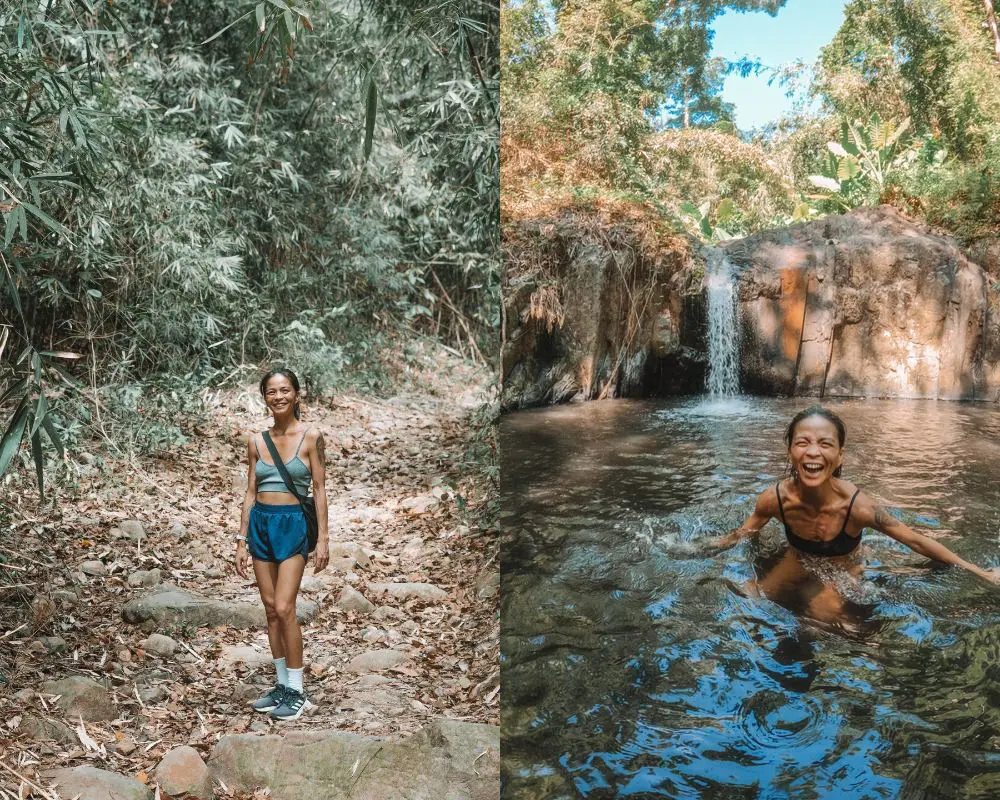
Subic surprised me. It’s close to Manila, but the rainforest and calm bay made it feel like a different world. What I loved most was how wellness is part of the scene, with pop-ups everywhere. Quiet here isn’t empty, it’s intentional and easy to slip into.
Safety was the easiest part of Subic for me. It’s a freeport with controlled entry, and it’s gated, so it felt secure from the moment I arrived. I walked around on my own without worrying, even in the evenings. I still told my hotel my plans, but that was it.
This is one of the best quiet destinations for slow, offline days. I did yoga in nature, tried beach pilates, and went to a Silent Reading Party, which I’d never done before. Everyone read together with no phones and no small talk. It was the calmest hour of my trip.
The nice thing is that the quiet stuff doubles as a way to meet people. Beach pilates and yoga sessions put you next to other solo travelers, and the pop-ups make it easy to chat if you feel like it. I could join in or slip away whenever I wanted.
I didn’t have to spend much to keep busy. The pop-ups and events were easy to fit into a solo budget, and I mixed paid sessions with free time by the water and in the forest. Prices change by event and season, so check ahead.
Kind of quiet: Sacred, high-altitude silence
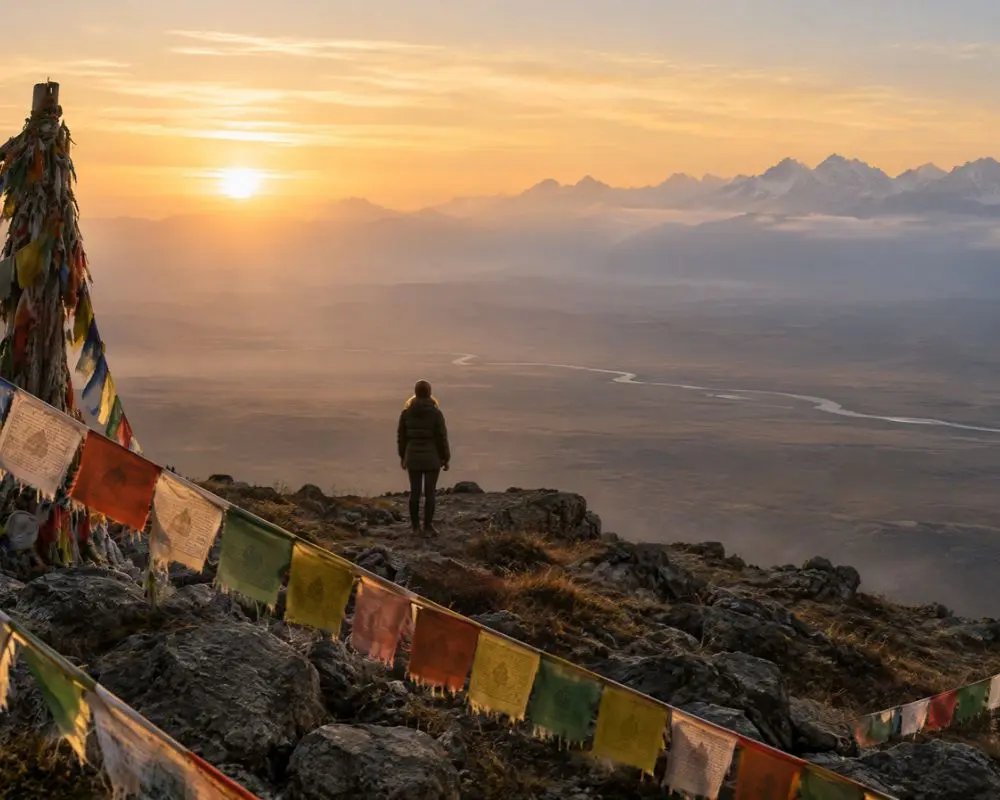
Tibet’s silence is unlike anywhere else I’ve been. The air is thin, the plateaus go on forever, and the monasteries have been around for centuries. I could hear chanting drifting through the temple halls, and prayer flags were flapping over empty valleys. If you’re looking for the best quiet places to travel alone, this one feels as spiritual as it is beautiful.
As a foreigner, I had to go with a licensed guide and permits arranged through an agency. Honestly, it made me feel looked after. Altitude sickness is the main thing to watch out for, so take it slow, rest, and drink lots of water. If you get a headache or feel out of breath, tell your guide right away. Check the current permit rules and closures before you book.
I spent my mornings in monastery courtyards, watching pilgrims walk around the sacred sites. I also took slow walks along a kora path, journaled by a high-altitude lake, and sat in a temple hall to meditate. At night, I stargazed. The slow days helped my body adjust, and they kept the whole trip feeling calm.
Joining a Tibet small group tour is the easiest way to meet people, since you share the vehicle, meals, and sightseeing days. If you want company, go with a group departure. If you’d rather have more solitude, a private tour works too. Guesthouse dining rooms and tea houses are also great places to chat with other travelers.
Of all the best quiet destinations in Asia, Tibet was the priciest one for me. Since guided tours are required, my package covered the guide, permits, and transport. Private tours cost more, while small groups split the expenses. Prices change a lot by season, so ask for an itemized quote.
Kind of quiet: vast and empty
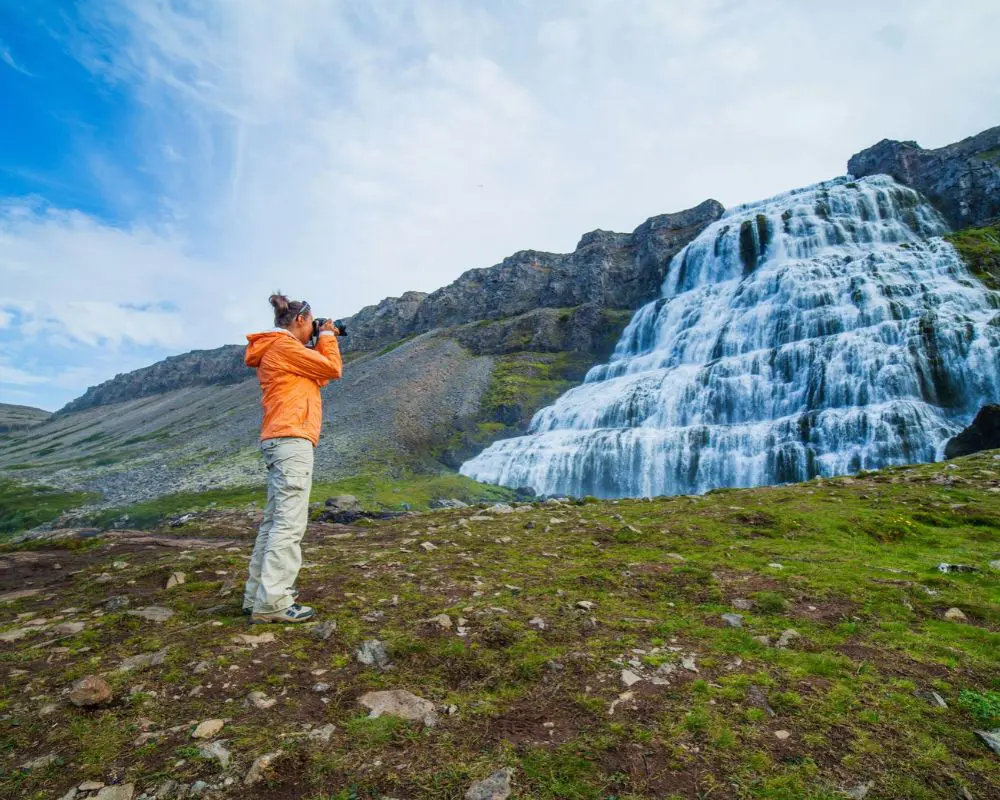
The Westfjords are easily one of the best quiet places to travel alone. It’s one of Iceland’s least visited regions, so I’d drive for long stretches without passing another car. It was just fjords, mountains, and sheep. Iceland also tends to top the Global Peace Index, and that calm really shows.
Iceland felt really safe to me as a solo traveler. The real risks are weather and roads. Some gravel roads and mountain passes can close, so I checked road.is and safetravel.is every morning. I also saved 112, Iceland’s emergency number, in my phone before heading out.
I spent my days at Dynjandi waterfall, walking the red sand beach at Rauðasandur, and soaking in hot pools. In summer, you can also see puffins at Látrabjarg cliffs. Hornstrandir Nature Reserve has no roads, and you can only reach it by boat, which is exactly why it’s so quiet.
Ísafjörður is the main town, and it’s the easiest place to meet people. I chatted with other travelers in cafés and guesthouse kitchens. If you want company, there are small-group kayak tours and boat trips. Otherwise, it’s easy to keep to yourself.
Iceland is expensive, and I felt it. Public transport in the Westfjords is limited, so a rental car is the main cost. I saved money by cooking in guesthouse kitchens and buying groceries. Summer camping is cheaper than hotels, but prices vary, so compare before you book.
Kind of quiet: gentle island quiet
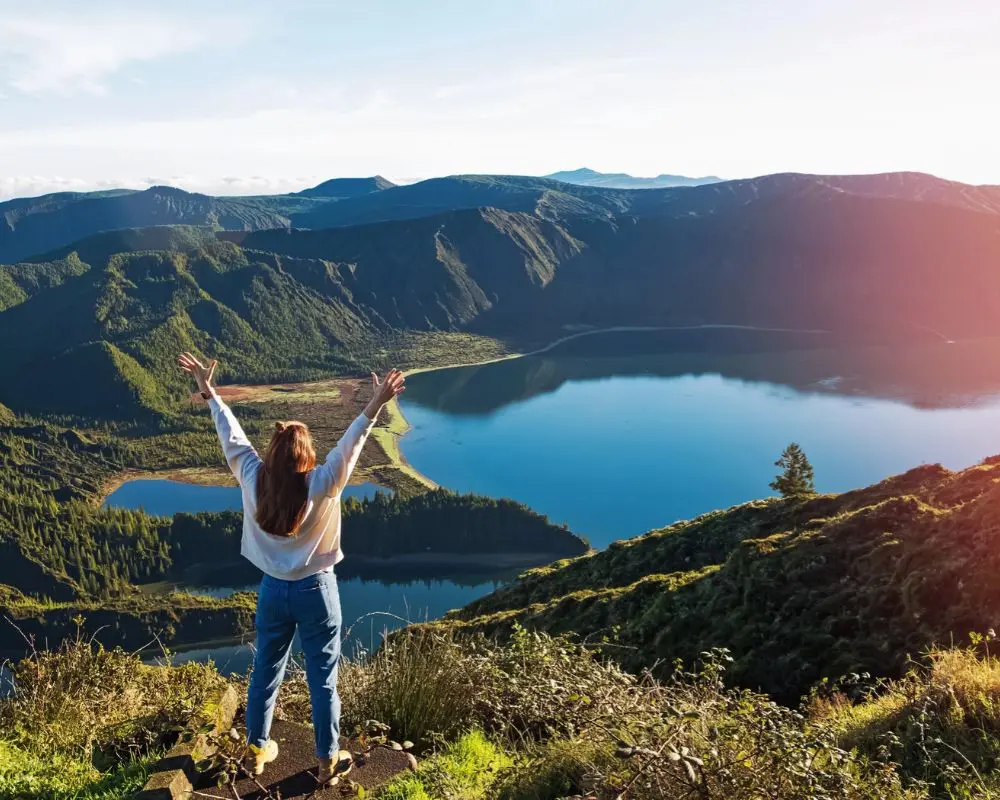
The Azores are nine volcanic islands in the middle of the Atlantic, and the pace is slow. I spent most of my time on São Miguel, where green hills, crater lakes, and hot springs make switching off easy. Cows outnumbered people on some of my drives.
I felt very comfortable on my own. Portugal is one of Europe’s safer countries, and the islands have a small-community feel. My main rule was about the weather: fog and rain can roll in fast, so I stuck to marked trails and checked the forecast before hiking.
If you’re looking for the best quiet places to travel alone, this is where I’d start. I soaked in the iron-rich hot springs at Furnas, walked around the twin lakes at Sete Cidades, and visited the Gorreana tea plantation. I also tried cozido das Furnas, a stew cooked underground by volcanic heat.
Ponta Delgada has hostels and cafés where it’s easy to meet people. I joined a whale-watching trip, and group hikes and canyoning tours are also popular. The hot springs were another easy place to chat, and I could go back to quiet whenever I wanted.
The Azores felt cheaper than Iceland to me. Guesthouses and local restaurants were reasonable, and some cafés had affordable set lunches. Renting a car makes exploring easier, though buses and tours also work. Flights and prices shift by season, so check ahead.
Kind of quiet: snow-muffled
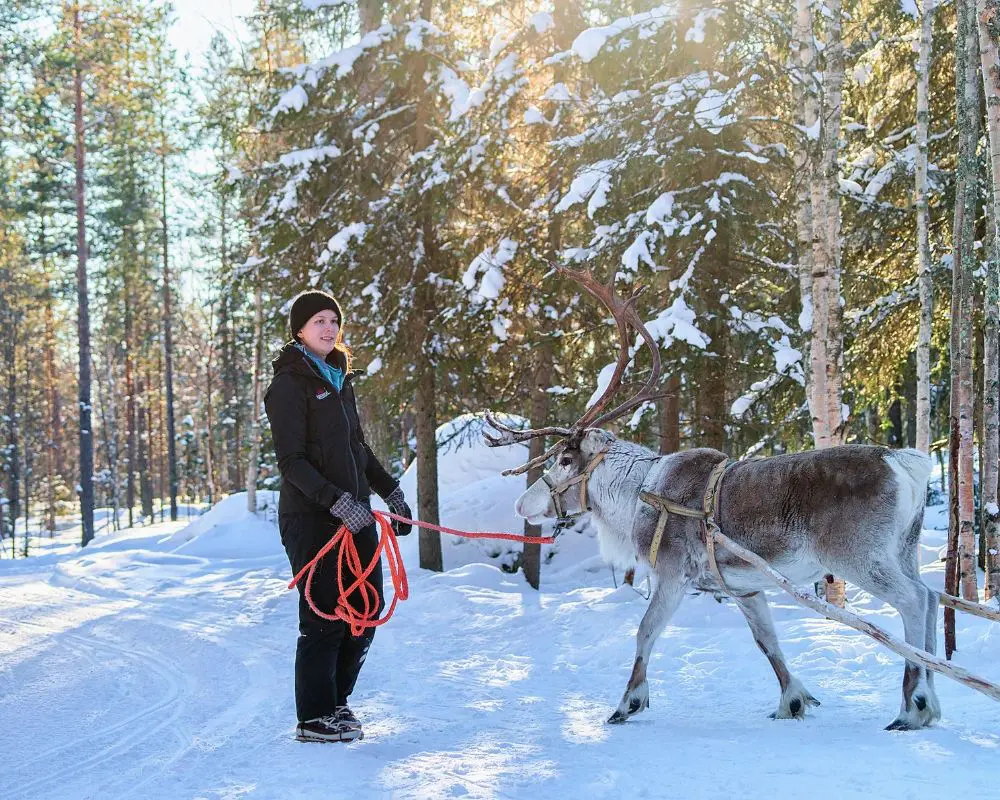
Finnish Lapland has a hush I’d never heard before. Fresh snow soaks up sound, so forests and frozen lakes felt completely still. Rovaniemi is the gateway, but it only takes a short drive to find silence. Finland is also often ranked the world’s happiest country, and I could see why.
Finland is consistently ranked among the safest countries in the world, so crime was never on my mind. The cold is the real concern. I wore thermal layers, covered my face, and checked the forecast daily. Rental cars in winter come with winter tires, which helped on snowy roads.
I went snowshoeing, took a slow husky ride, and soaked up the sauna culture, which is a big deal in Finland. On clear nights, I watched the northern lights, which can appear from late summer through spring. Finland’s “everyman’s rights” also let you walk freely in nature.
I met other travelers on a guided aurora tour and a small-group snowmobile outing. Saunas are social, too, so chatting with locals is easy if you want it. Cabins and lodges also have shared spaces where I could hang out when I felt like company.
Lapland isn’t cheap, but among the best quiet places to travel alone, it’s well worth it. Christmas and peak winter are the priciest times. Shoulder months like January to March can be cheaper. Cooking in a cabin helped, though glass igloos and tours add up. Prices vary, so compare options.
?? Read next: A detailed solo travel Europe itinerary in 6 regions (2-4 weeks)
Kind of quiet: slow coastal quiet
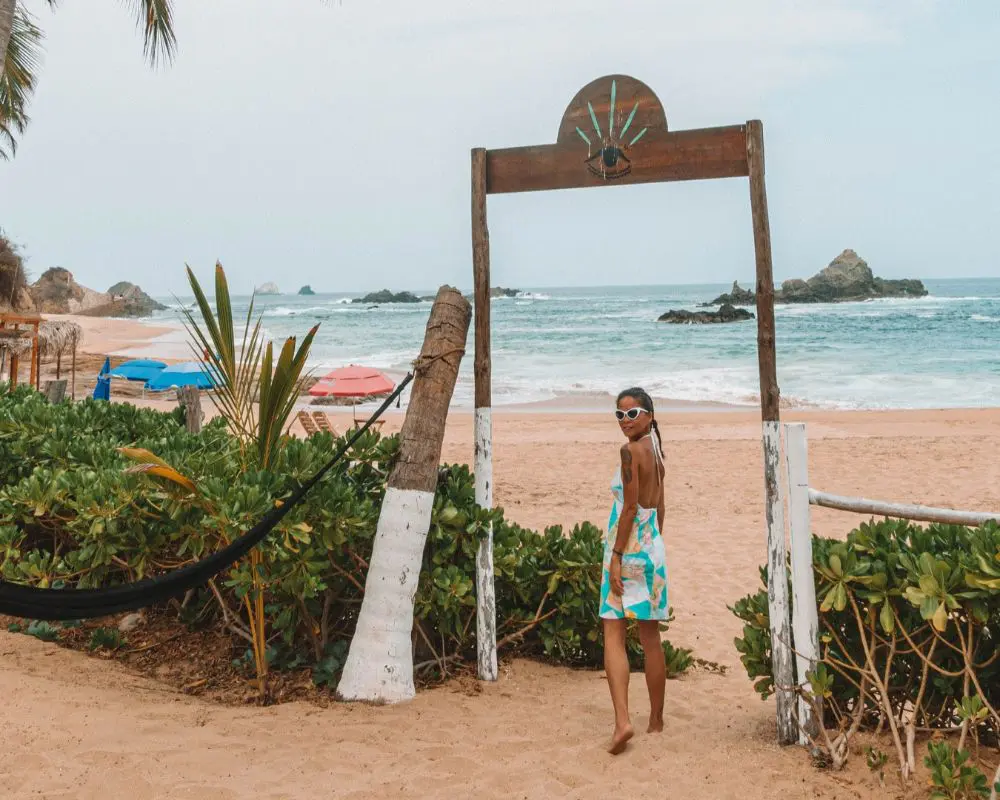
Mazunte is a tiny fishing village on Oaxaca’s Pacific coast, and it moves at a crawl. There are no big resorts, just dirt lanes, hammocks, and the sound of waves. It was once a turtle-hunting town and now protects them. I stopped setting alarms by day two.
I felt relaxed walking around the village. The ocean is the bigger risk, since this coast has strong currents. I swam only where locals did and skipped the water when the waves looked rough. Check current Oaxaca travel advisories before you book.
I watched sunset from Punta Cometa, a short walk from the village, and stayed until the sky went dark. I also visited the Mexican Turtle Center, took a yoga class, and tried a temazcal, a traditional steam bath. Mornings at the beach were pure calm.
Mazunte is one of the best quiet places to travel alone because it’s easy to dip in and out of company. I met people at yoga classes and beach cafés, and nearby Zipolite has a livelier scene. Sunset at Punta Cometa is also a great time to chat.
Mazunte was easy on my wallet. Simple cabañas and hostels are common, and meals at small local restaurants were cheap. The main extra cost is getting there, since you fly into Huatulco or Puerto Escondido and then take a shuttle or taxi. Prices rise in high season, so compare.
?? You might also like: Backpacking Mexico for solo female travelers
Kind of quiet: forest and ocean quiet
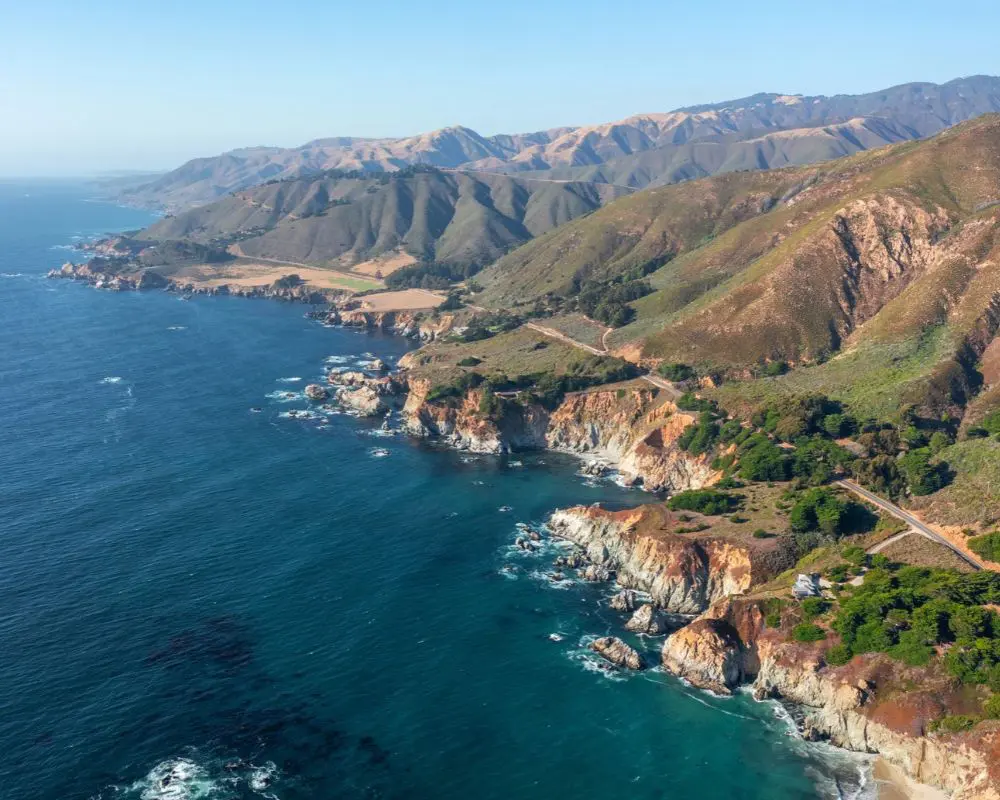
Big Sur is about 90 miles of California’s Highway 1 between Carmel and San Simeon, and it’s one of the best quiet places to travel alone. Redwoods, cliffs, and fog muffle everything, and cell service is spotty. I barely touched my phone, which felt like a gift.
Big Sur felt calm, but the road demands respect. Highway 1 is narrow and winding, and landslides can close sections, so I checked Caltrans before driving. Stay behind cliff barriers, watch for sneaker waves on beaches, and don’t count on phone signal. Download offline maps first.
I walked among redwoods at Pfeiffer Big Sur State Park and watched McWay Falls drop onto the beach at Julia Pfeiffer Burns State Park. I also visited Pfeiffer Beach, known for its purple-tinged sand, and had a slow lunch at Nepenthe. Stargazing finished each day.
Company is easy to find if you want it. I chatted with other travelers at campgrounds, at Nepenthe, and at the Henry Miller Memorial Library, which hosts events and has a relaxed, bookish feel. Esalen, known for its hot springs and workshops, also draws people looking for community.
Big Sur isn’t cheap. Lodging is limited and pricey, so I camped, and campsites fill up fast, so reserve early. Gas, food, and parking add up, and services are few and far between. Fill your tank and pack snacks before you go. Prices shift by season.
?? See also: 19 best solo trips in the USA
Kind of quiet: rainforest quiet
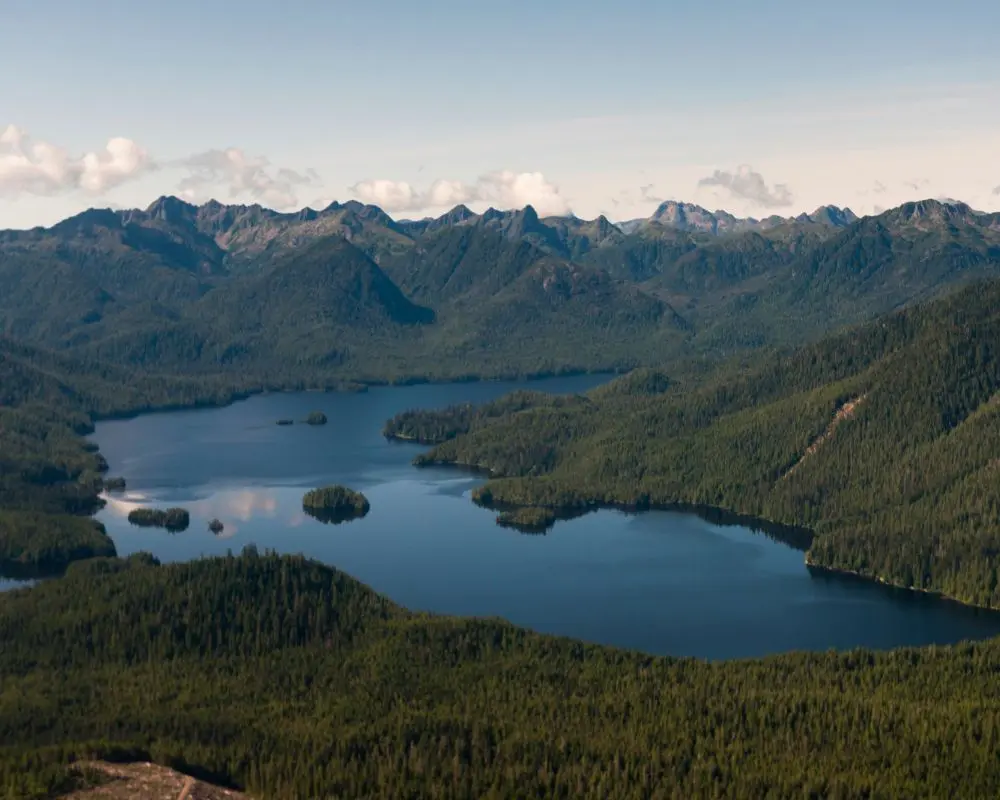
Haida Gwaii is an archipelago off British Columbia’s north coast and the homeland of the Haida Nation. Moss-covered rainforest, empty beaches, and mist make everything feel hushed. With only a few thousand residents, I often had trails to myself and mostly heard rain and ravens.
Crime wasn’t a concern, but remoteness is. Medical care on the islands is limited, weather changes fast, and ferries or flights can be disrupted. I packed rain gear, told my host my plans, and stayed alert for black bears. Check current travel info before booking.
One of the best quiet places to travel alone, for me, was Naikoon Provincial Park, where I walked Agate Beach and climbed Tow Hill. I also visited the Haida Heritage Centre in Skidegate to learn about Haida art and culture. Gwaii Haanas, home to the UNESCO site SGang Gwaay, requires a guided trip or advance booking.
The Haida Heritage Centre has exhibits, a café, and events, so it was an easy place to meet people. I also joined a guided tour led by Haida guides. Small guesthouses and local cafés in places like Skidegate made it simple to chat. Otherwise, the islands are easy to enjoy alone.
Haida Gwaii isn’t cheap. Getting there is the biggest cost: BC Ferries runs from Prince Rupert to Skidegate, or you can fly to Sandspit or Masset. Lodging is limited, so book early. I saved money by camping and cooking. Gwaii Haanas trips need advance booking, and prices vary.
Kind of quiet: dry, night-sky silence
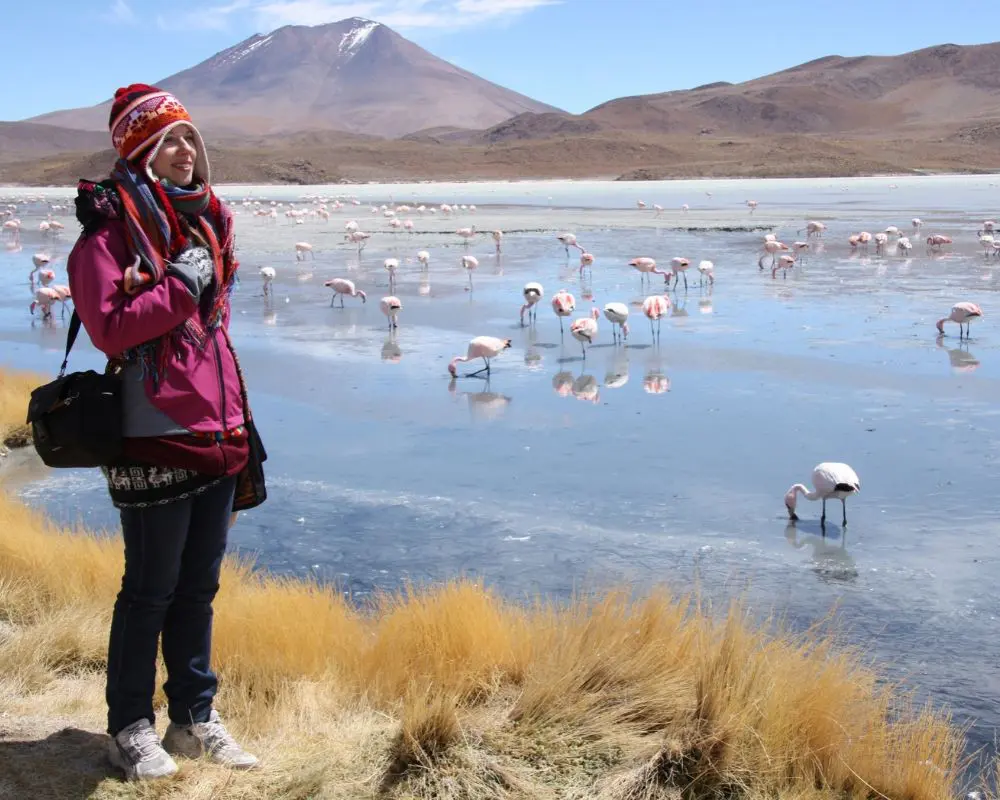
The Atacama is the driest non-polar desert on Earth, and the silence matches. There’s almost no rain, wind, or traffic in the empty salt flats outside San Pedro de Atacama. It’s one of the best quiet places to travel alone, and at night the sky gets very dark and bright with stars.
I felt safe in San Pedro, a small, walkable town. The desert itself is the bigger risk. The sun and dry air are intense, so I carried lots of water and wore sunscreen. San Pedro sits around 2,400 m, and some sights, like the El Tatio geysers, are much higher, so I took it easy.
I joined a stargazing tour, which is the main thing to do here, and many include telescopes and a guide who points out constellations. I also watched sunset over the Valle de la Luna and soaked at the Puritama hot springs. Visit El Tatio at dawn, when steam rises from the geysers in the cold.
Stargazing tours and day trips are easy ways to meet people, since you share a van and a guide. San Pedro also has hostels, cafés, and restaurants around the main plaza where travelers hang out in the evenings. I could join a group for dinner, then go back to my own space.
San Pedro isn’t cheap, and I noticed it. Tours, entry fees, and meals add up, and you usually need guides or transport for the main sights. I saved by booking a few tours together and eating set lunches. You fly into Calama and take a transfer, and prices vary by season.
Kind of quiet: wild and open
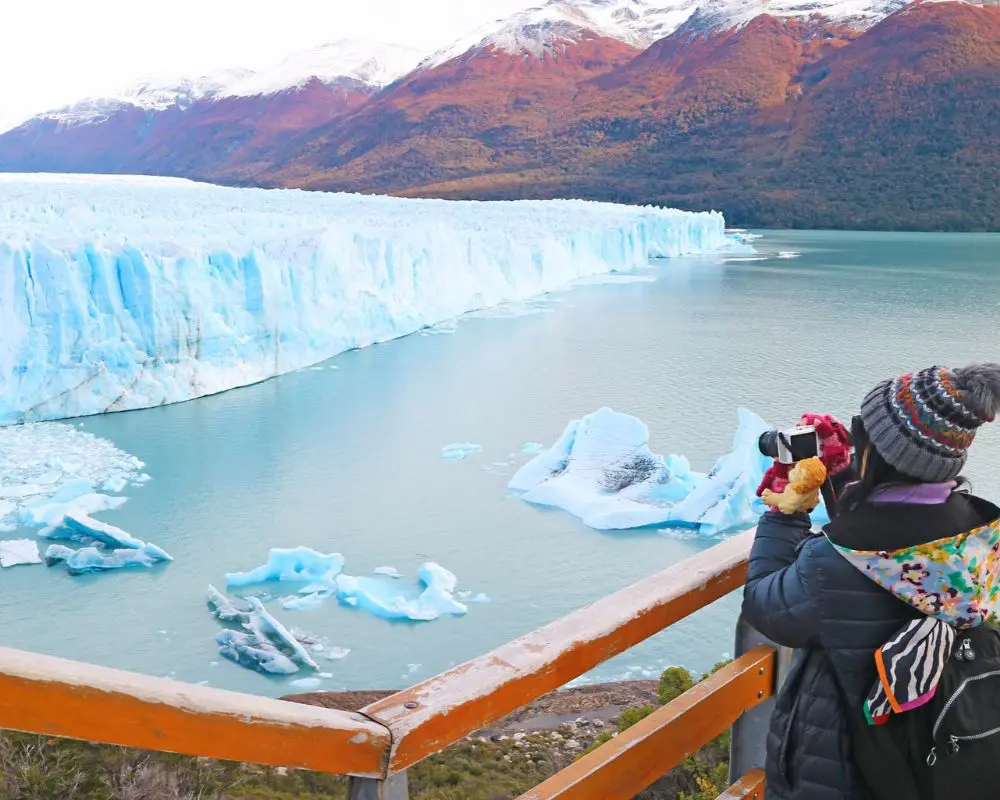
Patagonia is huge and empty, and that’s what got me. Chilean Patagonia includes Torres del Paine National Park and the far quieter Aysén region, where the Carretera Austral runs about 1,200 km through glaciers, lakes, and forests. I could go hours without seeing anyone. It’s easily one of the best quiet places to travel alone.
Chile is generally considered one of South America’s safer countries, but the wilderness needs respect. Weather can change in minutes, and Patagonian wind is strong. I packed layers, rain gear, and extra food, and I told someone my route. In Torres del Paine, I stayed on marked trails and followed park rules.
I hiked in Torres del Paine, where the W Trek is the classic route and the longer O Circuit is generally quieter. In Aysén, I visited the Marble Caves on General Carrera Lake by boat. I also watched guanacos and condors, and spent a lot of time just sitting and looking at the mountains.
Quiet doesn’t have to mean isolated here. Puerto Natales is the main base for Torres del Paine, and its hostels and cafés are full of hikers swapping tips. If you stay in refugios on the W Trek, meals are shared, which makes meeting people easy. Guided day tours are another option.
Torres del Paine can be expensive, especially in summer. Park entry, transport, and refugios add up, and campsites and refugios usually need advance booking, so plan ahead. The Aysén region felt more affordable to me, but distances are long and fuel is a cost. Prices vary by season, so compare.

Kind of quiet: restorative mountain quiet
The Sacred Valley sits in the Andes between Cusco and Machu Picchu, along the Urubamba River. It’s lower than Cusco, at roughly 2,800 m, so the air felt easier to breathe. Mountains, farmland, and small villages like Ollantaytambo gave it a calm pace that surprised me.
I felt comfortable moving around as a solo traveler, though I kept normal precautions. Petty theft can happen in busy tourist spots, so I kept my bag close. Altitude was the bigger issue, so I rested the first day, drank water, and took it slow. Use licensed tour operators for treks.
For me, this is one of the best quiet places to travel alone for slow, restorative days. I walked through the Maras salt mines and visited the circular terraces at Moray. I also joined a yoga class, explored the Inca ruins at Ollantaytambo, and spent a lazy afternoon by the river.
Ollantaytambo and Urubamba have hostels, cafés, and wellness spaces where it’s easy to meet people. I joined a group hike and a cooking class, which are great ways to chat without pressure. The Pisac market is also lively, especially on Sundays. You can dip into the social scene or skip it.
The Sacred Valley felt budget-friendly. Hostels, local restaurants, and colectivos (shared vans) are inexpensive, and many sites are covered by the Boleto Turístico del Cusco. Machu Picchu is the big cost, and it needs advance tickets and train booking. Prices vary by season, so check current options.
Read next: The solo female travel guide to Peru
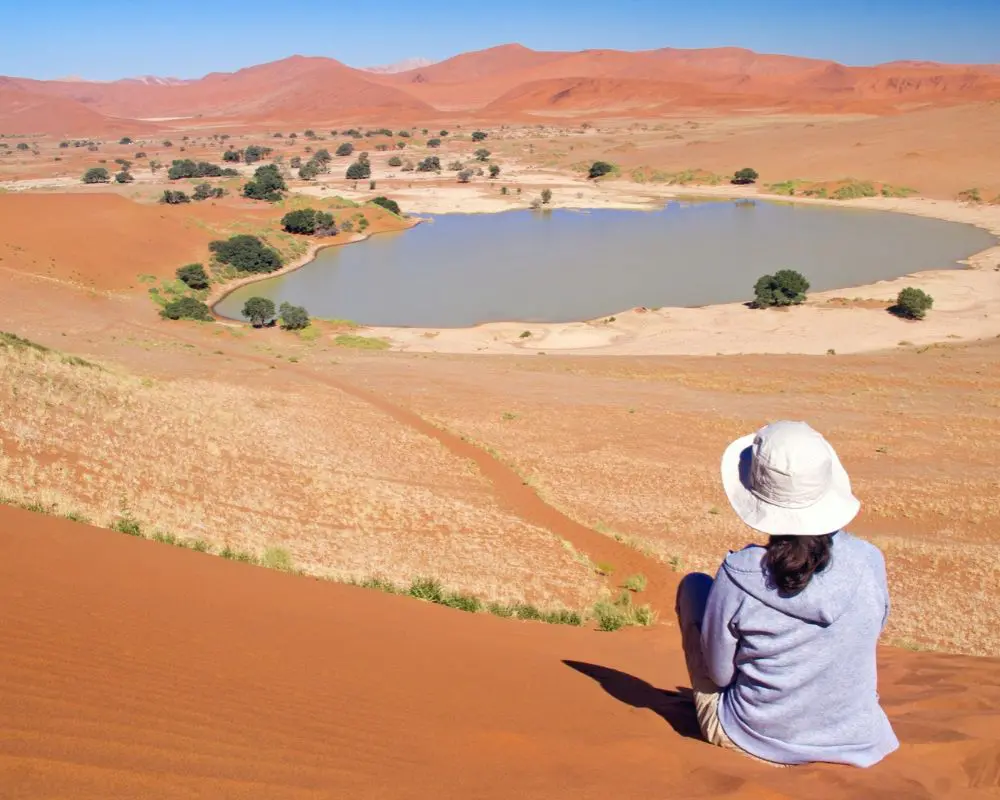
Kind of quiet: absolute desert stillness
The Namib is often called the world’s oldest desert, and the stillness felt ancient. Among the best quiet places to travel alone, it stands out for how little there is to hear. Around Sossusvlei, I’d stand on a dune and catch only the occasional gust of wind.
Namibia felt calm and easy to navigate. The desert is the real challenge. It’s hot and dry, and gravel roads are rough, so I carried extra water, filled up on fuel whenever I could, and checked my spare tire. I also told my lodge my route and plans.
I climbed Dune 45 for sunrise and walked out to Deadvlei, a white clay pan with dead camelthorn trees. I explored Sesriem Canyon and stargazed at night. The NamibRand Nature Reserve is an International Dark Sky Reserve, so it’s great for stargazing.
Quiet days don’t have to be lonely. Sesriem campsite and desert lodges have shared dining areas where I met other travelers over dinner. Swakopmund, on the coast, has adventure tours and lively cafés. Joining a guided dune or scenic tour is another easy way to meet people.
Namibia isn’t a shoestring destination. Distances are long, so a rental car or tour is the main cost. Lodges near Sossusvlei are pricey, so I camped at Sesriem to save, and bookings fill up early. Park entry fees apply, and prices vary by season.
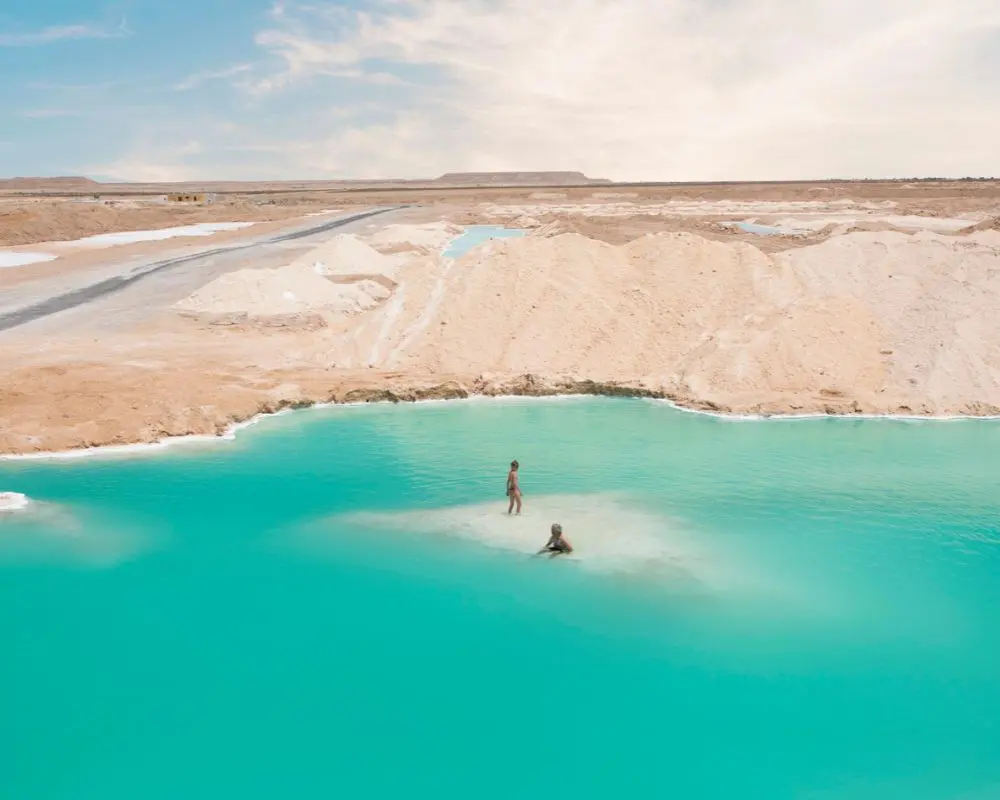
Kind of quiet: oasis quiet
Siwa is in Egypt’s Western Desert near the Libyan border, surrounded by the Great Sand Sea. After hours of empty desert road, I dropped into palm groves, salt lakes, and mud-brick ruins. The community is Amazigh (Berber), and the pace is slow. Evenings are the quietest, with only the sound of rustling palms.
Siwa felt relaxed to me, but the journey needs planning. It’s worth traveling the Marsa Matruh to Siwa road in daylight, since night driving can be risky. I dressed modestly, which is respectful locally, and booked desert trips with a local guide. Check Egypt’s current travel advisories before booking.
I floated in Cleopatra’s Spring, climbed the old Shali Fortress for the view, and visited the Temple of the Oracle. I rented a bike to ride between palm groves and salt lakes, and watched the sunset over the dunes. A float in a salt lake was the most relaxing part.
Guesthouses and eco-lodges often have communal terraces where I met other travelers over mint tea. Desert safaris with a guide are the easiest group activity. Small cafés in town are also friendly places to chat. If you want solitude, the palm groves are easy to escape to.
Siwa was easy on my budget. Guesthouses and local meals are generally affordable, and desert trips are the main extra cost. Getting there takes time: there are no flights, so you take a bus or long-distance taxi. The journey from Cairo via Marsa Matruh takes roughly 9 to 12 hours. Prices vary, so compare.
?? You might also like: The cheapest places to travel in the world solo
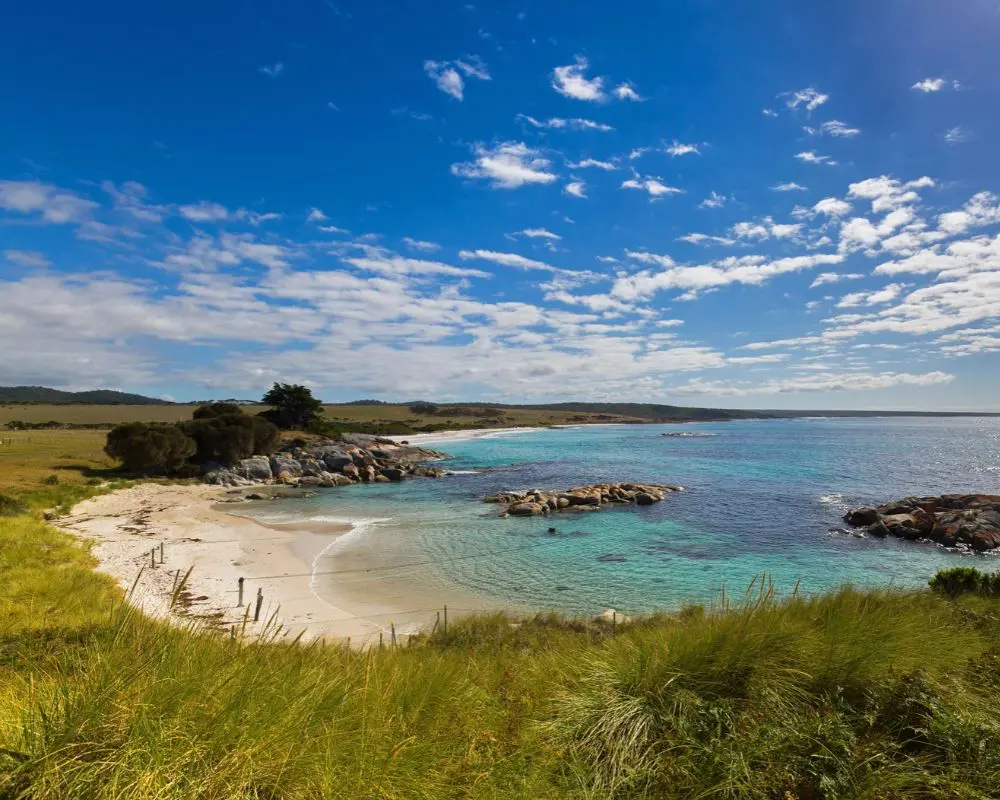
Kind of quiet: forest and coast quiet
Tasmania is Australia’s island state, and it has a small population, roughly 570,000 people. A big chunk of it is protected wilderness, with misty forests, empty beaches, and mountain lakes. I’d drive for long stretches and see more wallabies than people. It’s the kind of quiet that settles in slowly.
Tasmania felt safe and easy to travel around on my own. The weather is the main thing to respect, since it can change from sunny to cold and wet within hours. I packed layers and rain gear, and I stuck to marked trails. I also avoided driving at dusk, when wildlife is on the roads.
This is one of the best quiet places to travel alone for slow nature days. I walked to Wineglass Bay in Freycinet National Park, watched wombats on Maria Island, and took a short walk around Dove Lake at Cradle Mountain. Bruny Island is great for a quiet coastal day, too.
When I wanted company, Hobart was the easiest place to find it, with its waterfront cafés and the Salamanca Market on Saturdays. I also joined a small-group tour, and hostels and guesthouses had friendly common areas. MONA, Hobart’s famous museum, is another easy place to meet people.
Tasmania can be done on a flexible budget. A rental car is the biggest cost, since public transport is limited outside Hobart and Launceston. Many national parks require a parking or entry pass, and multi-day walks like the Overland Track need advance booking in peak season. Prices vary, so compare.
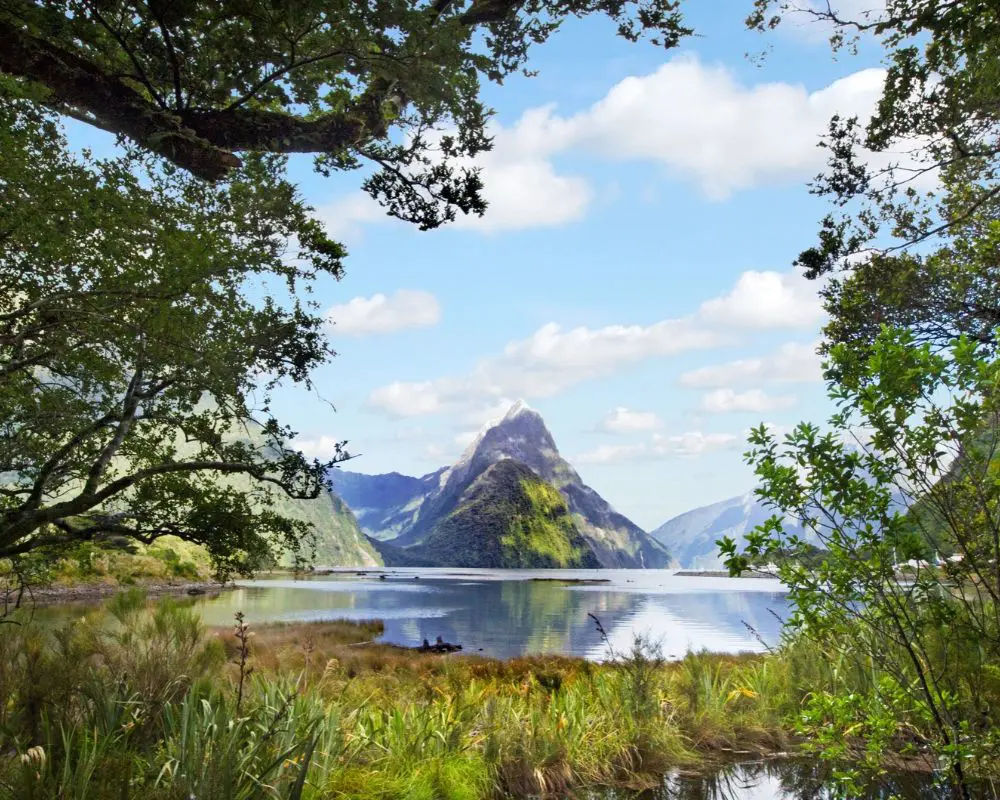
Kind of quiet: still-water quiet
Fiordland is one of the best quiet places to travel alone, and it’s a place of deep fjords, steep cliffs, and waterfalls. On calm mornings, the water in Milford Sound and Doubtful Sound goes glassy and everything feels hushed. I mostly heard water, birds, and the occasional boat engine.
I felt very comfortable here as a solo traveler, but the landscape needs respect. The weather is wet and changeable, and the road to Milford Sound can close because of snow, avalanche risk, or rockfall. I checked road and weather updates before driving, and I packed rain gear and insect repellent for the sandflies.
I took a cruise on Milford Sound, which is the classic way to see the fjord, and I booked a quieter trip on Doubtful Sound, which is more remote. I also did a short walk on the Kepler Track, and in Te Anau I visited the glowworm caves.
Te Anau is the main base, and its cafés, holiday parks, and hostels make it easy to meet other travelers. Cruises and guided walks are easy ways to chat with others, and some overnight cruises have shared dining. Great Walks huts are social too, but I could always take a quiet corner.
Fiordland isn’t the cheapest. Cruises are the main cost, and an overnight Doubtful Sound trip costs more than a day cruise. Camping and holiday parks help me save, and Great Walks huts and campsites need advance booking in season. Prices shift by season, so check current rates.
?? See also: The safest cities to travel alone
 PHPTRAVELS v8
